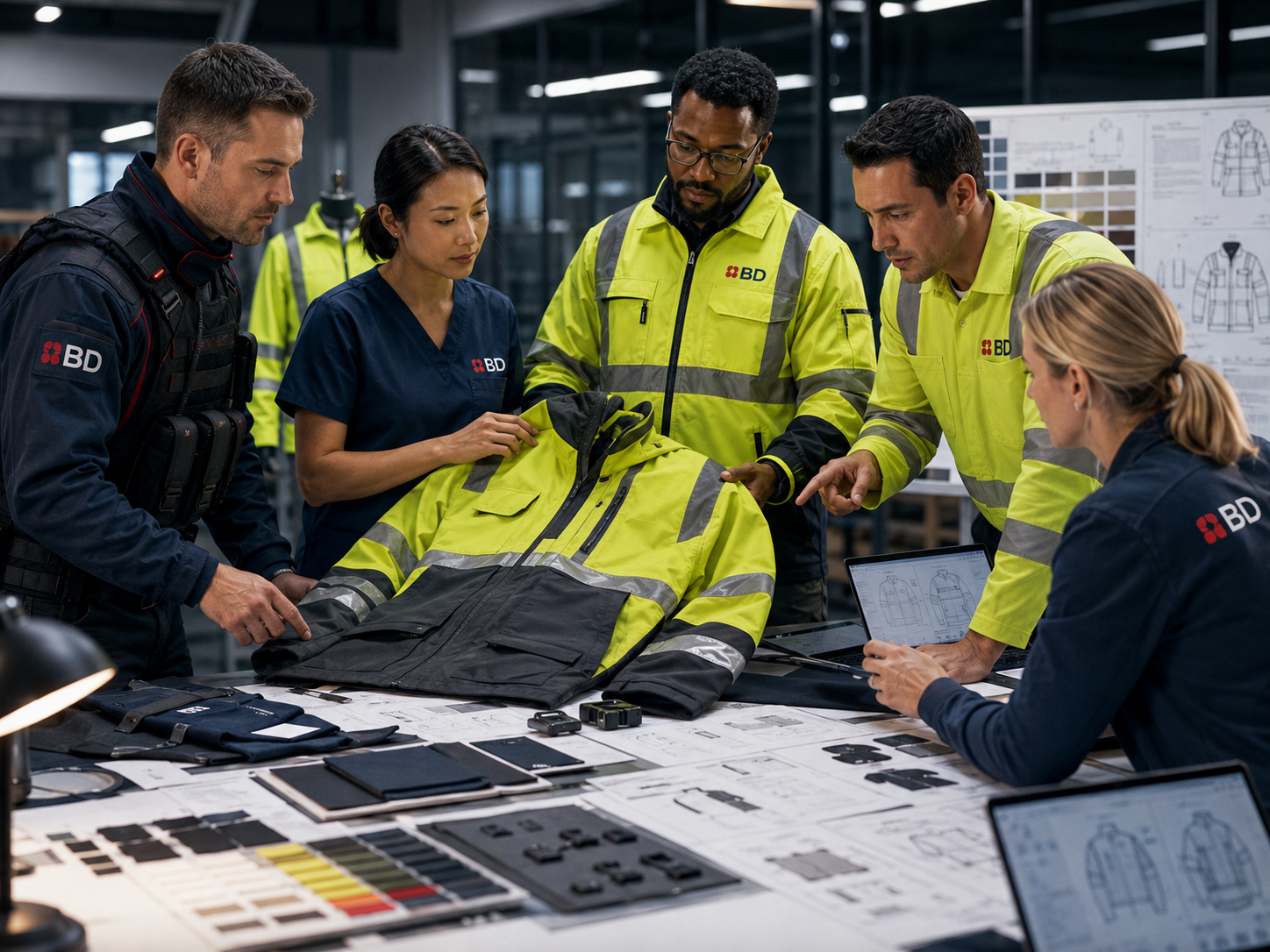
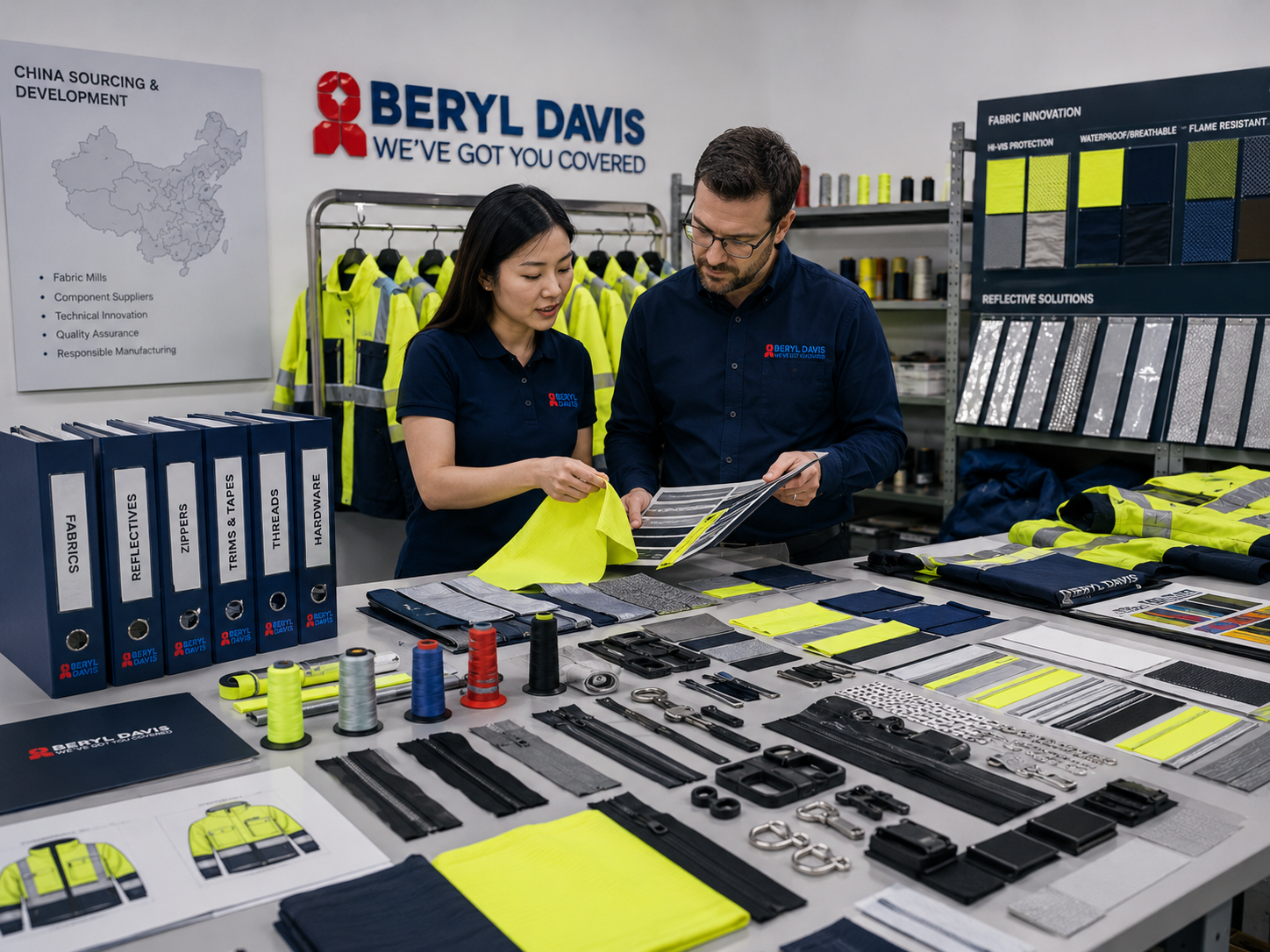
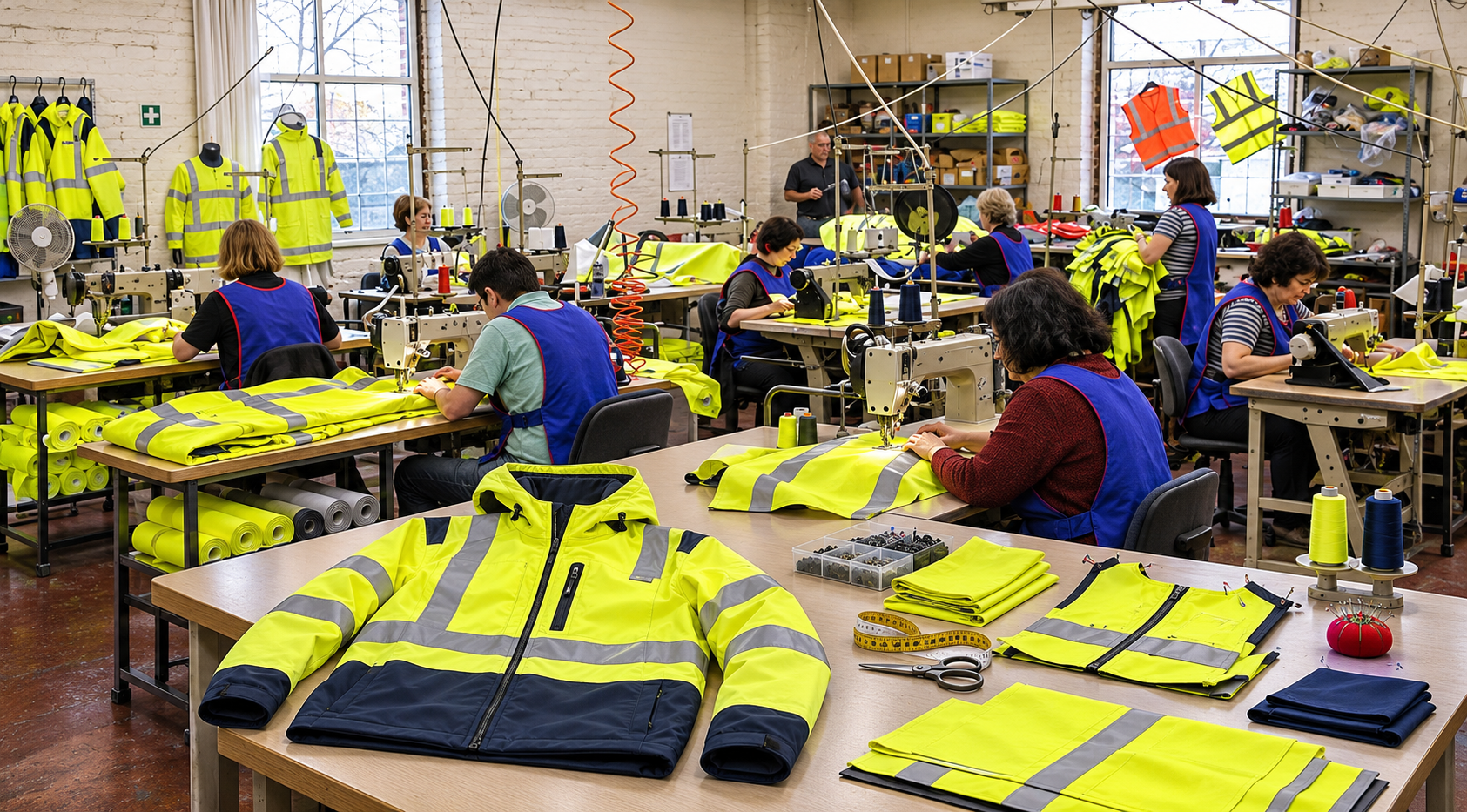
Engineering, sourcing, development, and production for protective, tactical, institutional, and professional apparel programs.
Corporate Overview
The Beryl Davis Journey of 45 Years
The First in High Vis in the World!
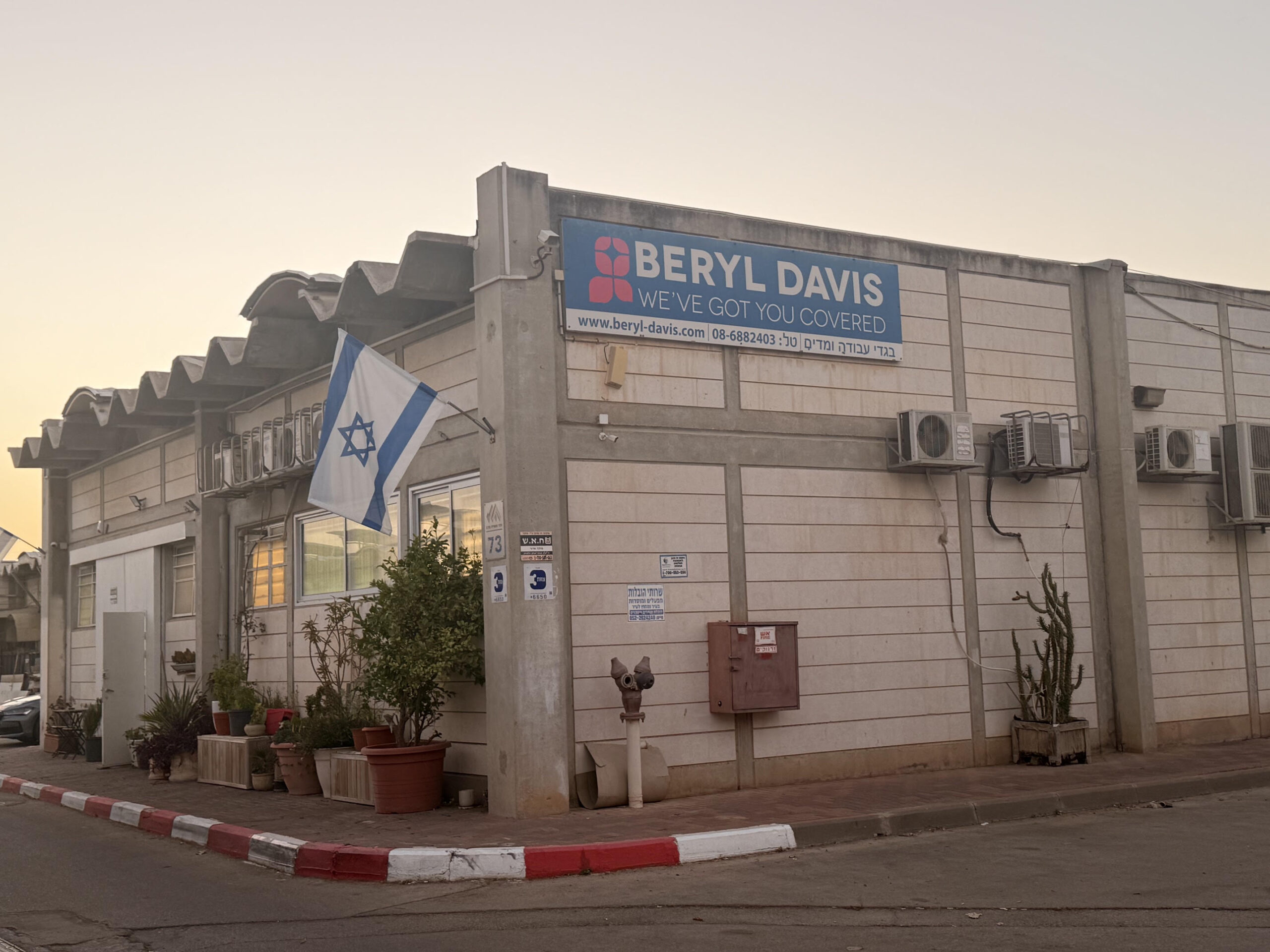
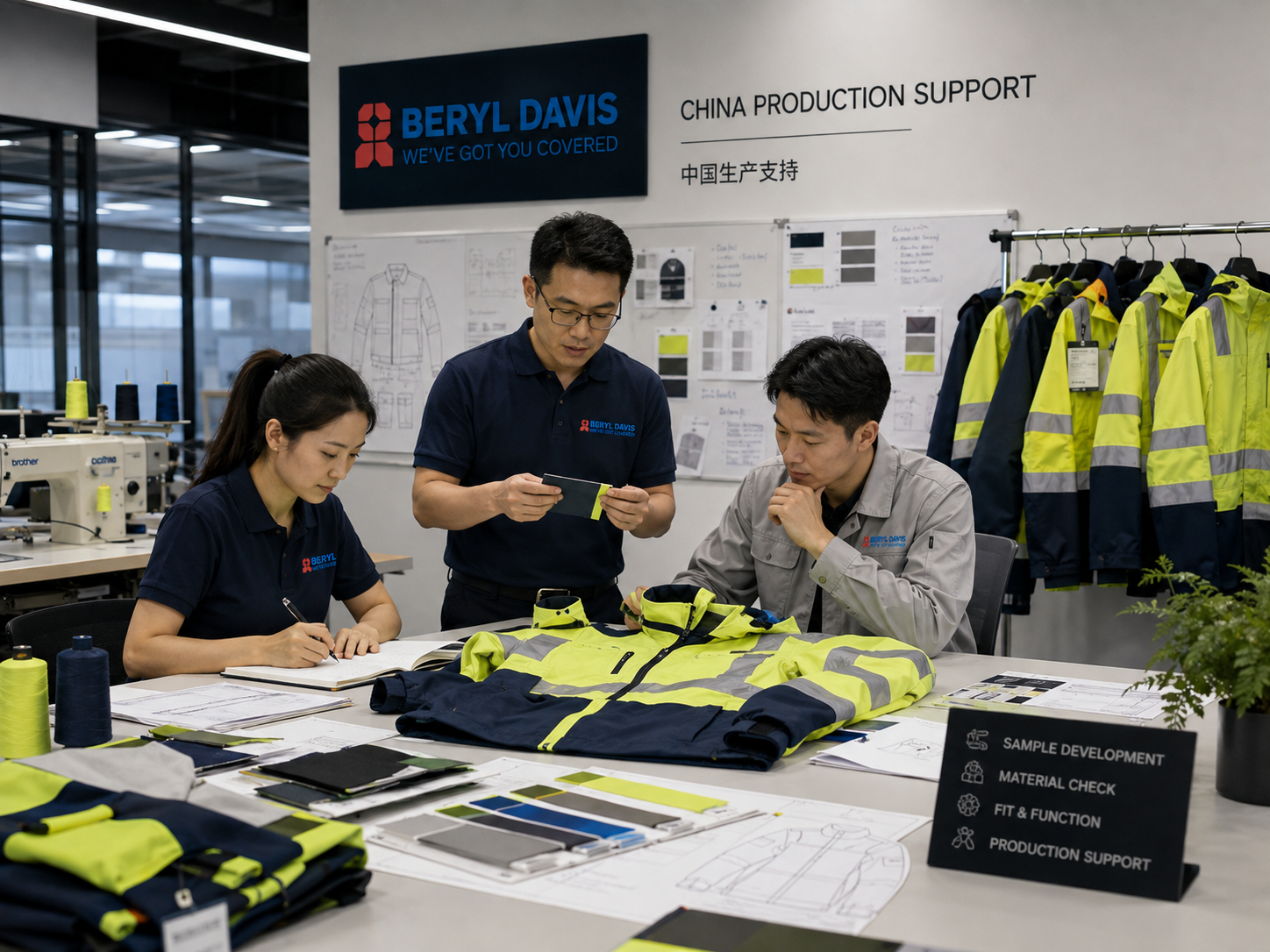
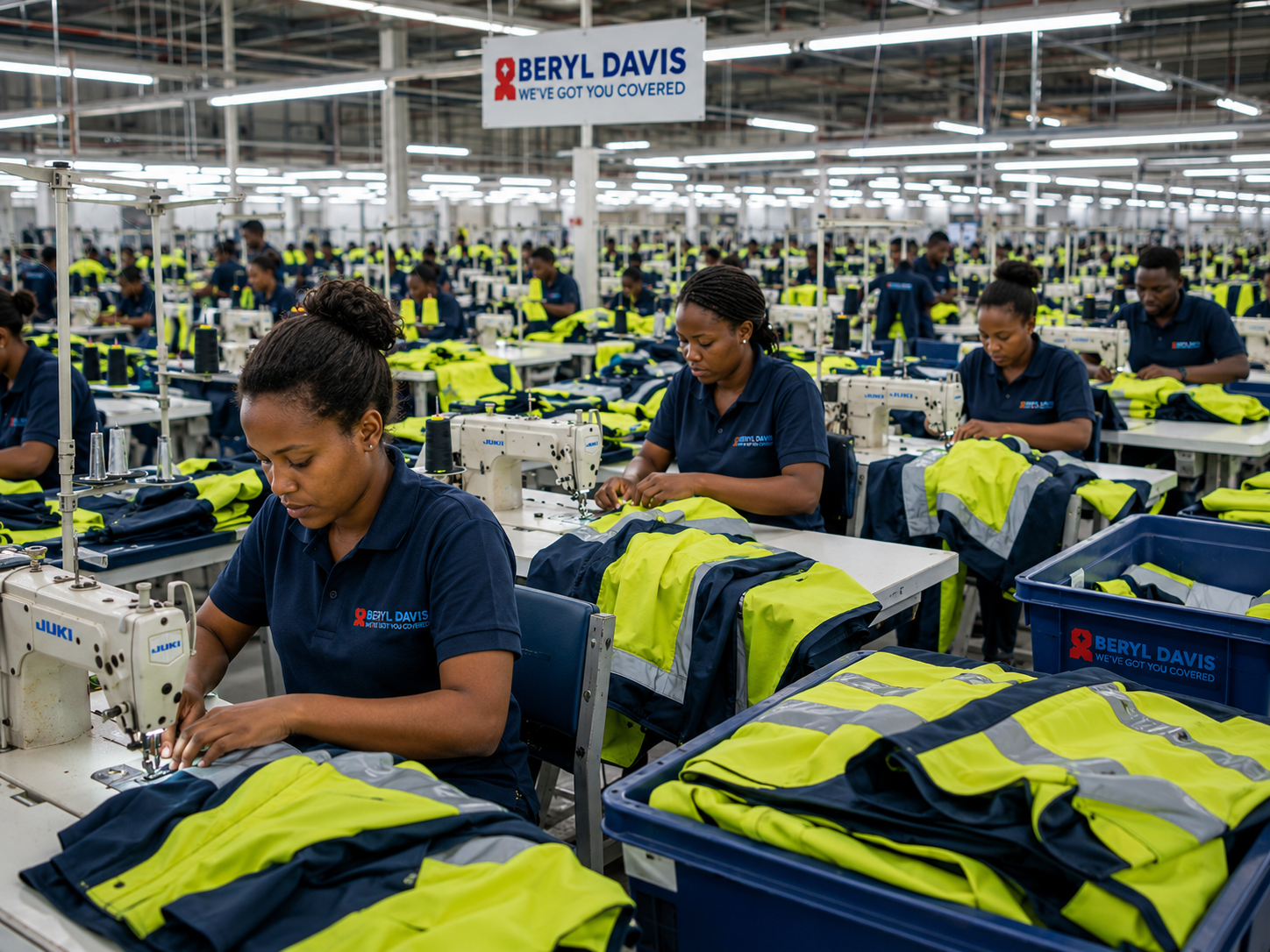
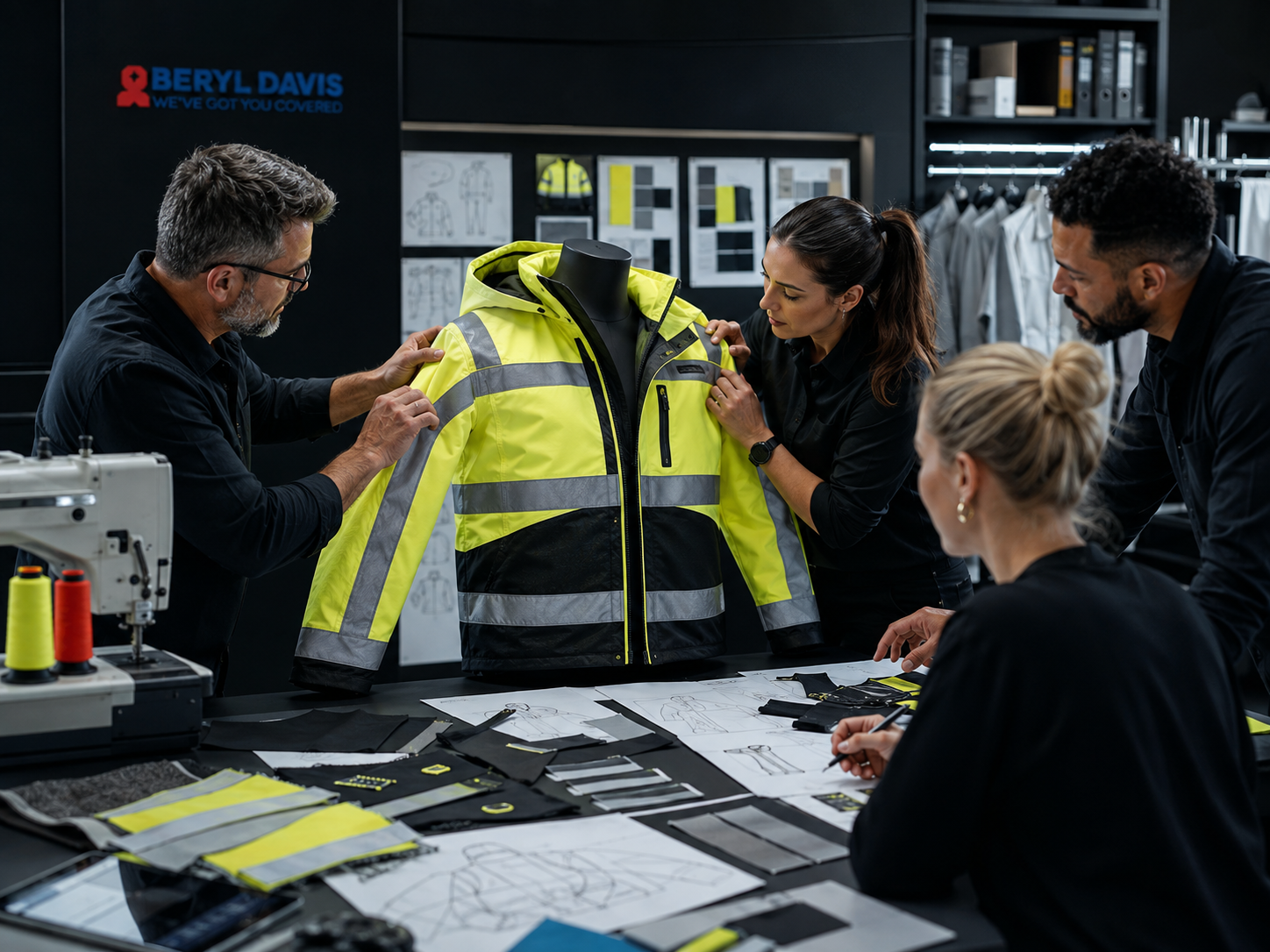
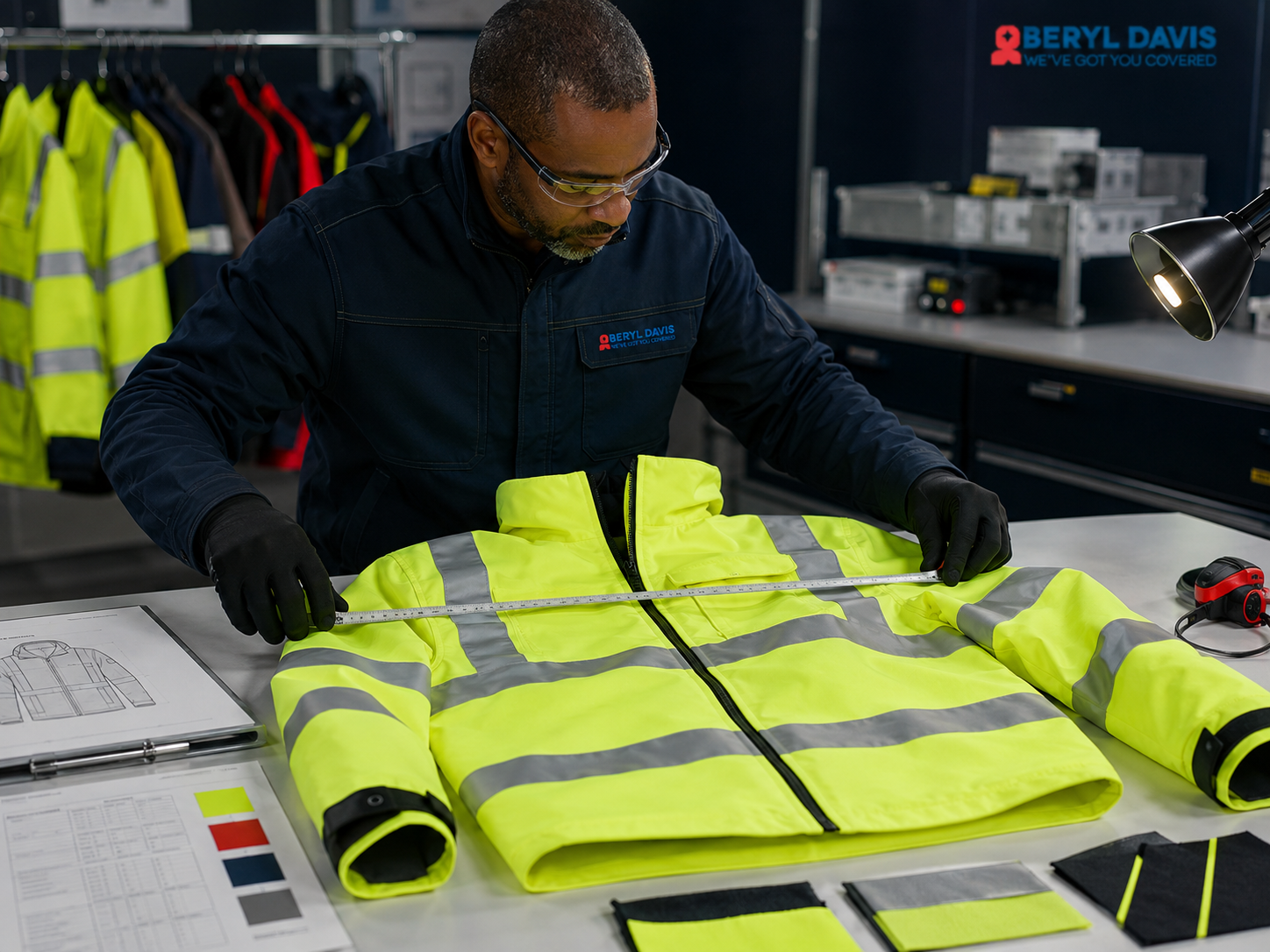
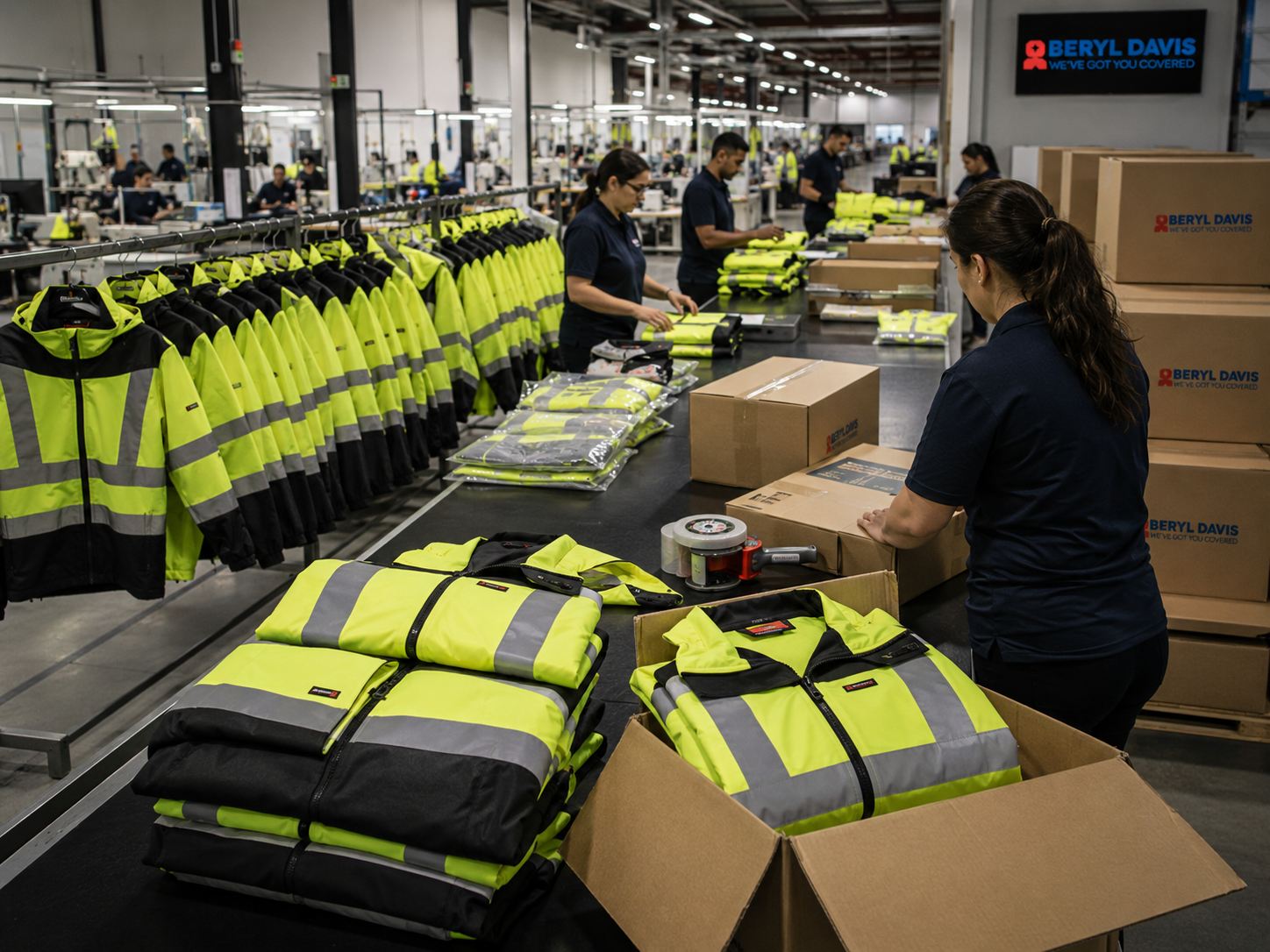
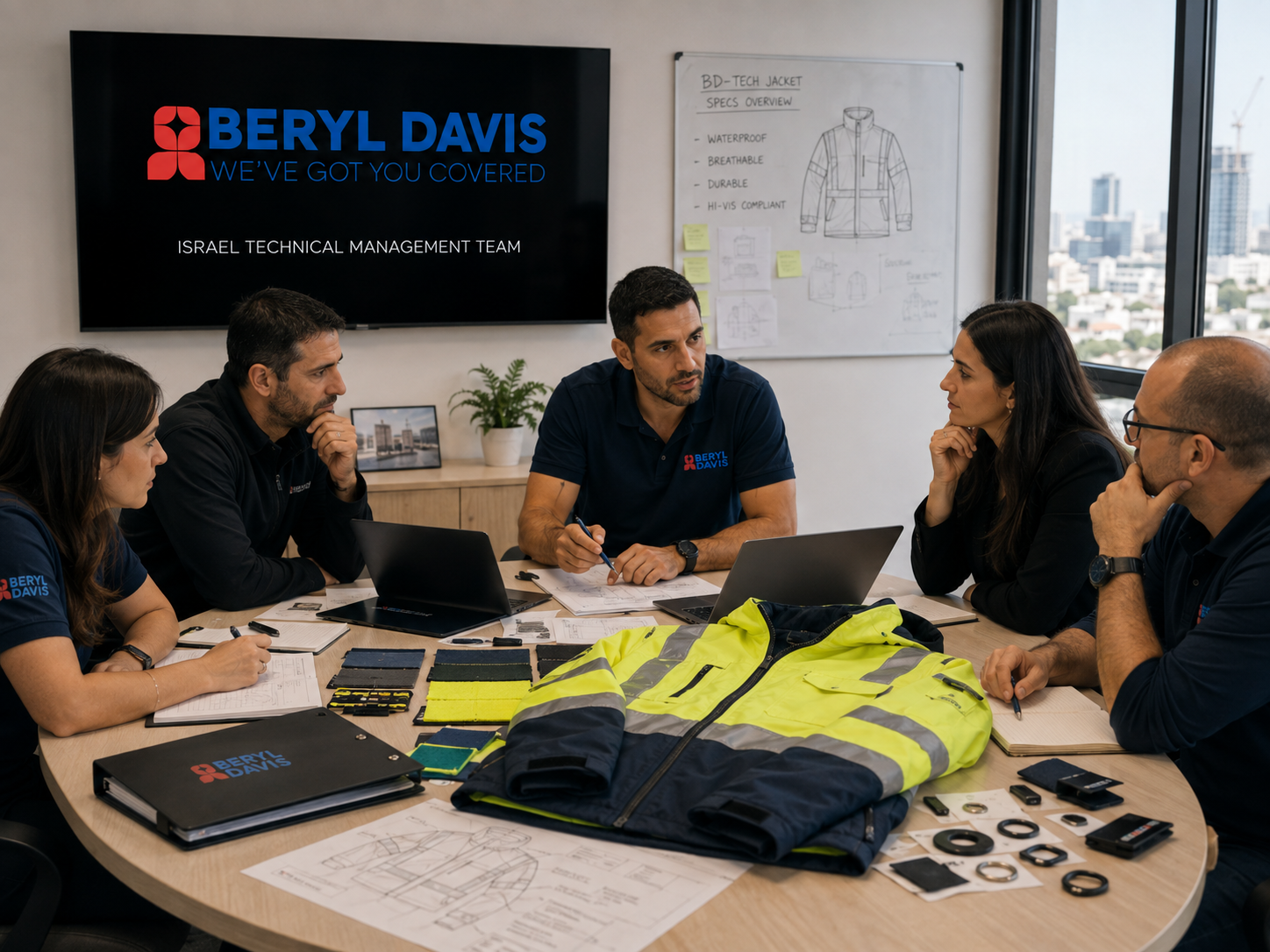
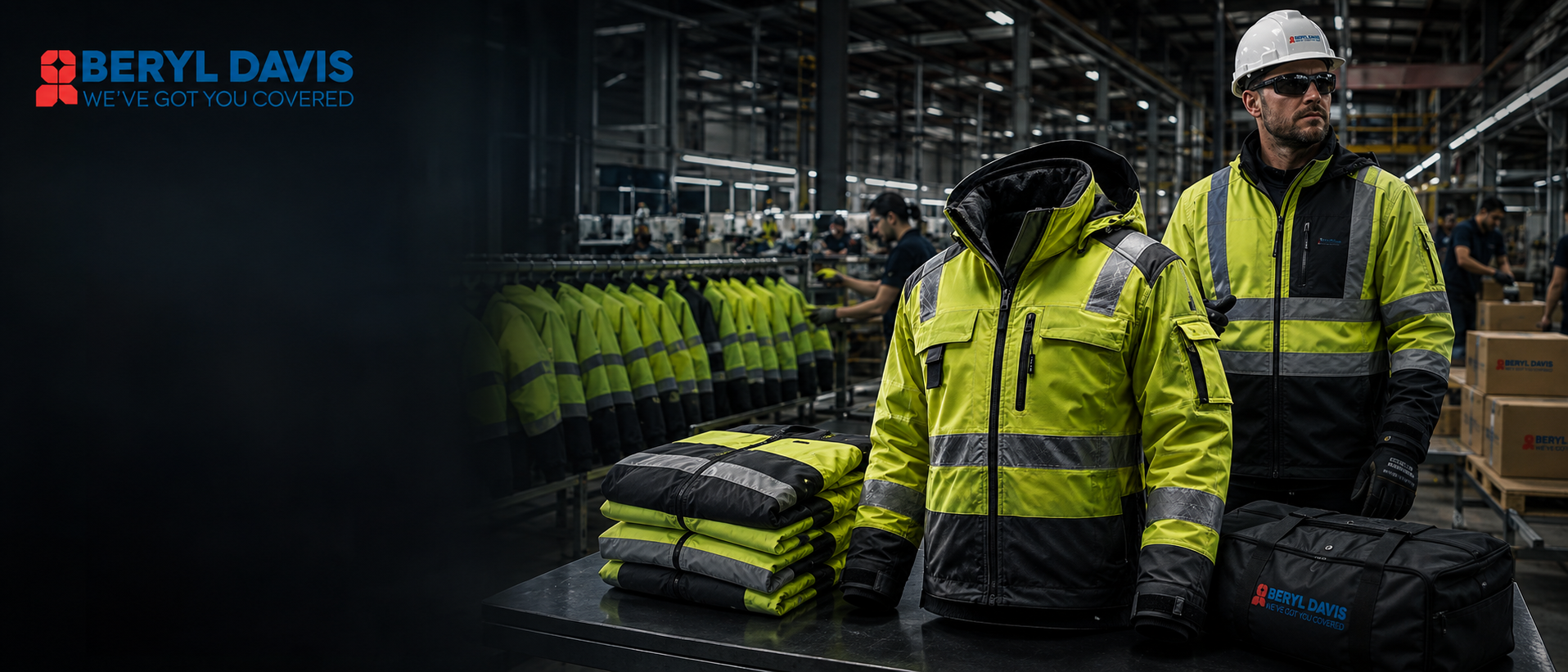
Beryl Davis combines product and raw material development with in-house manufacturing and strict in-line quality control management to the highest international standards. At the forefront of high-visibility production since 1981, we are the oldest and longest-serving manufacturers in this safety wear sector. With in-house manufacturing in China, Ethiopia, and Israel, we are able to partner with all interested parties.
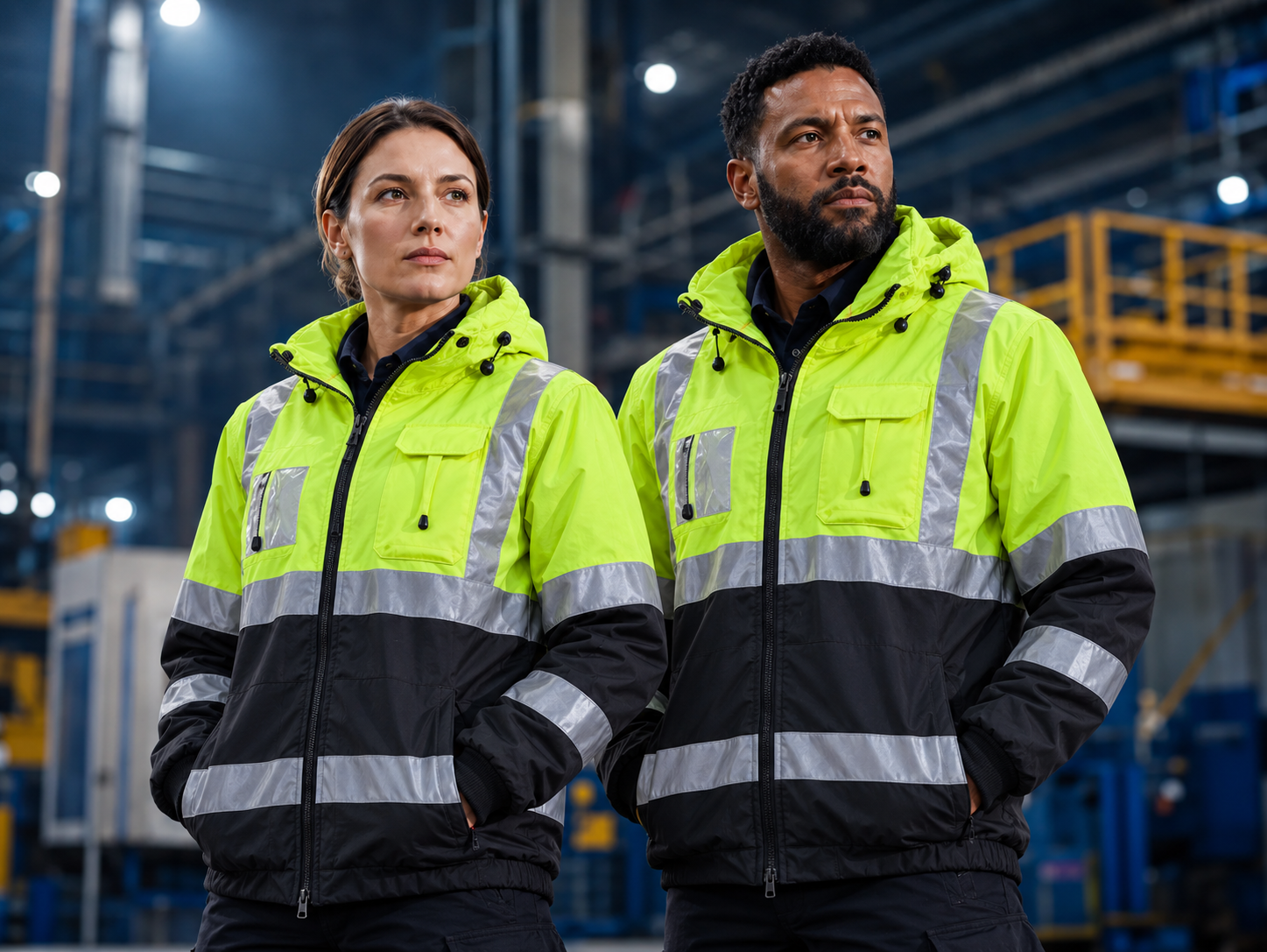
Visibility-focused garments and outerwear engineered around the user, environment, specification, and required components.
Flame Resistant
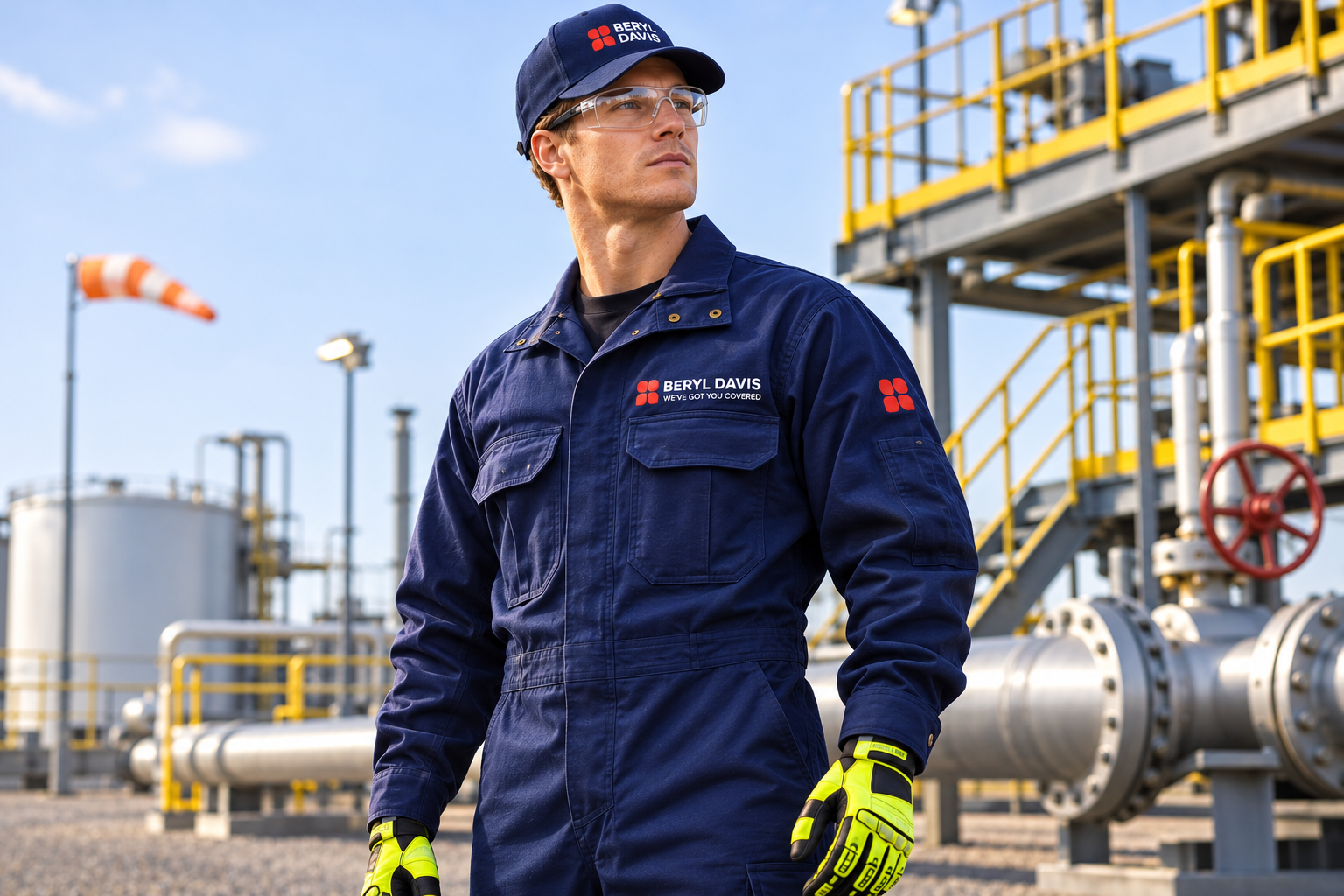
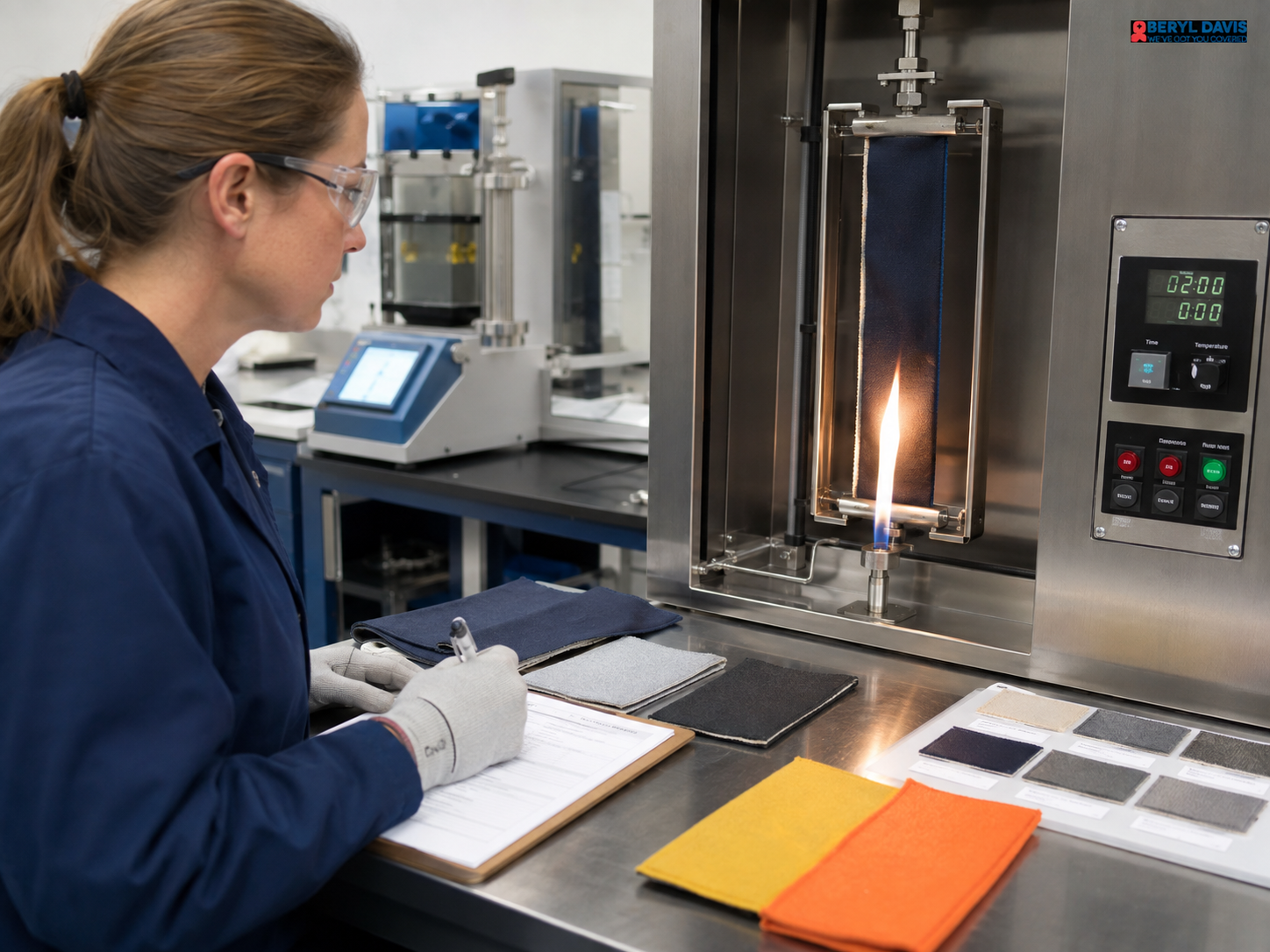
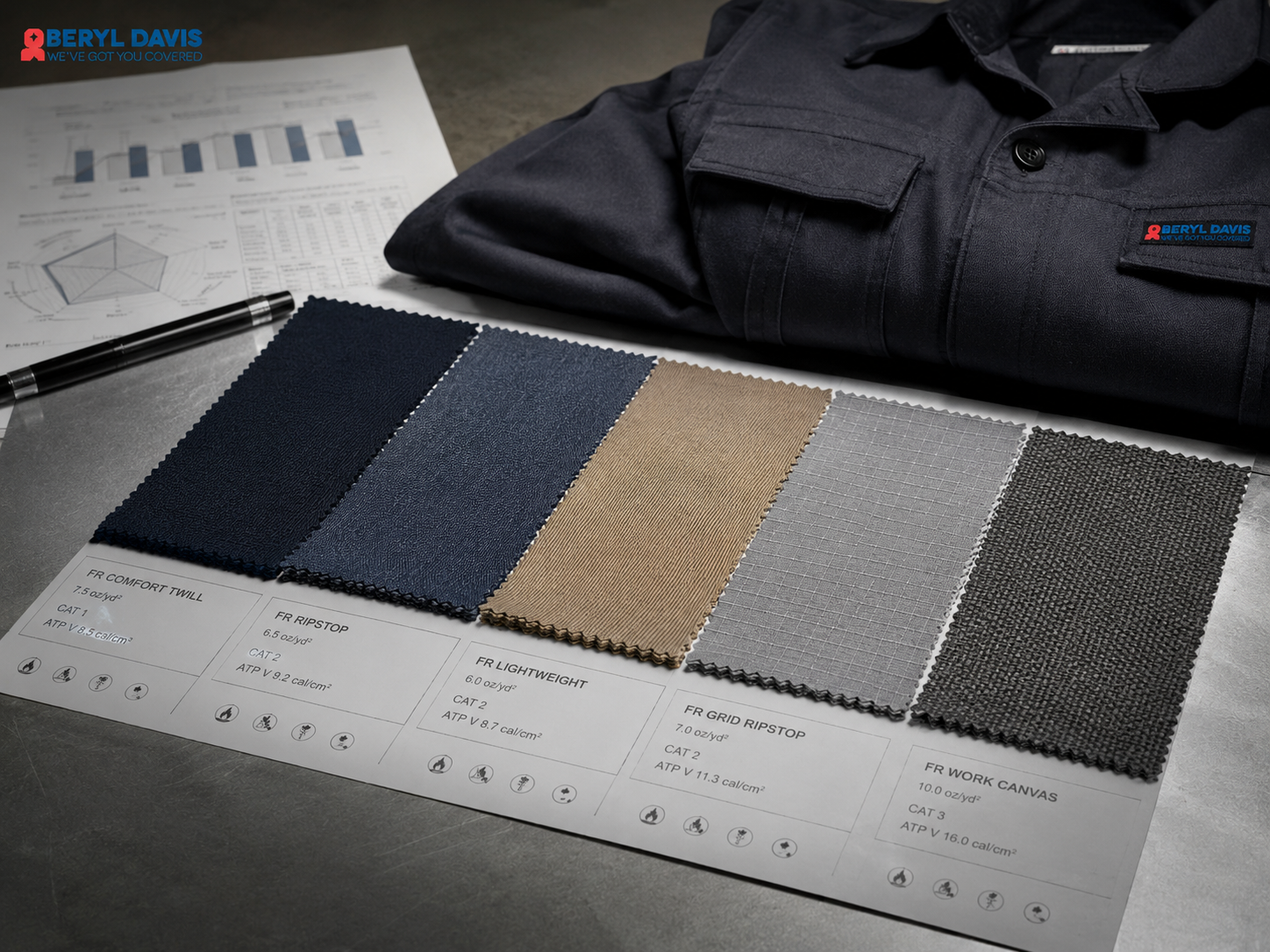
Flame-Resistant & Arc-Rated Apparel
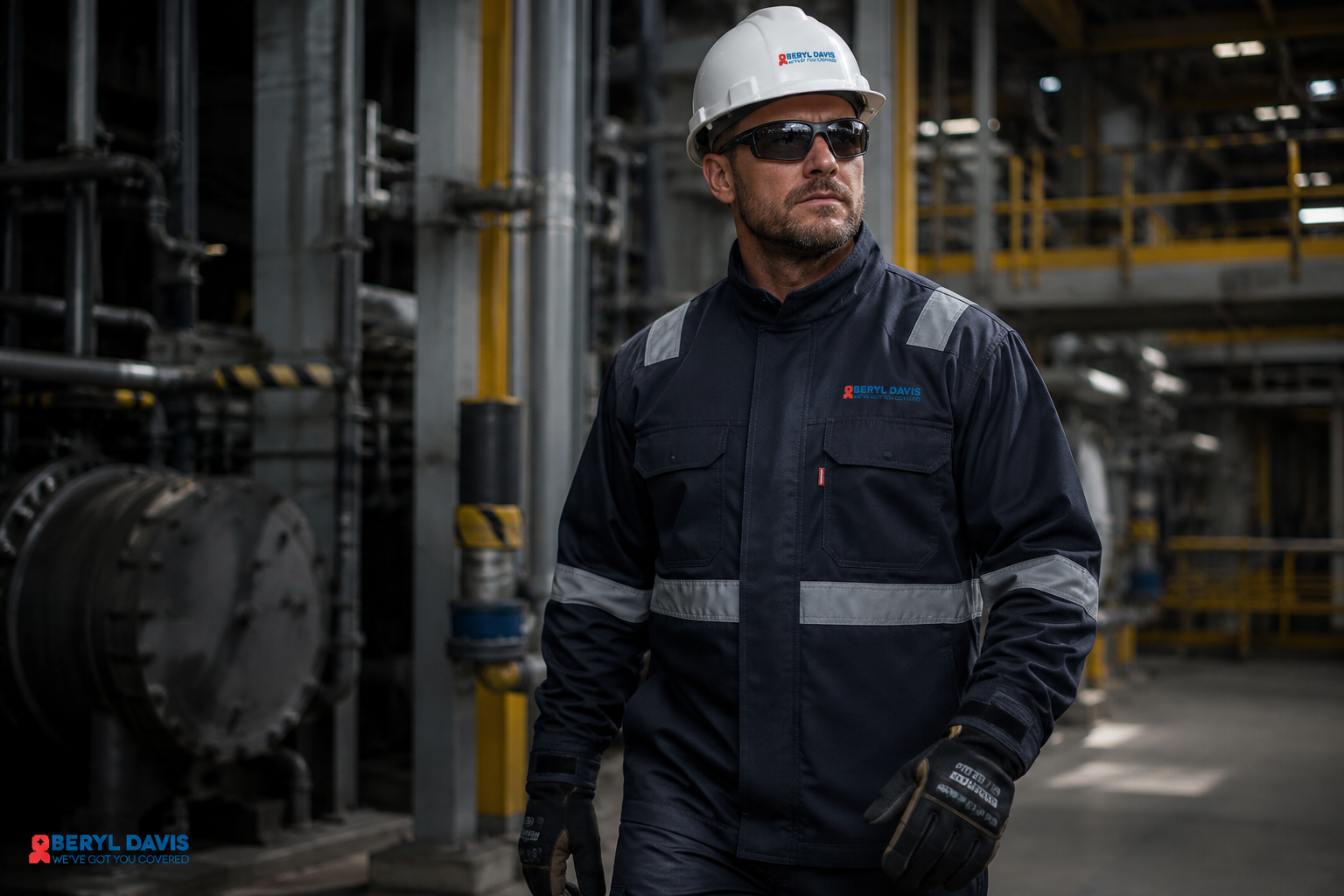
Protective garment programs developed around customer hazard requirements, fabric systems, construction, and applicable standards.
Tactical & Security
Tactical & Defense Outerwear
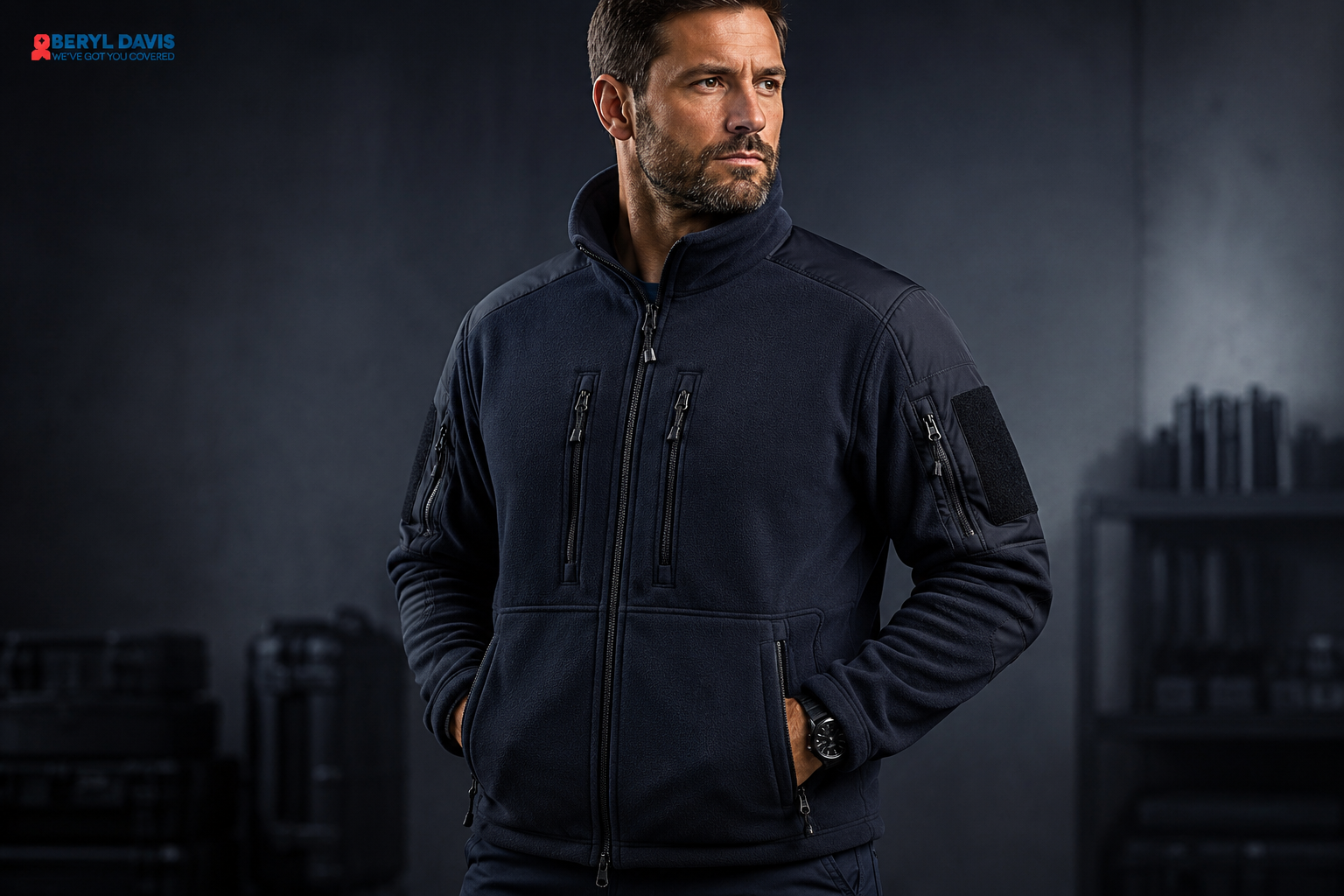
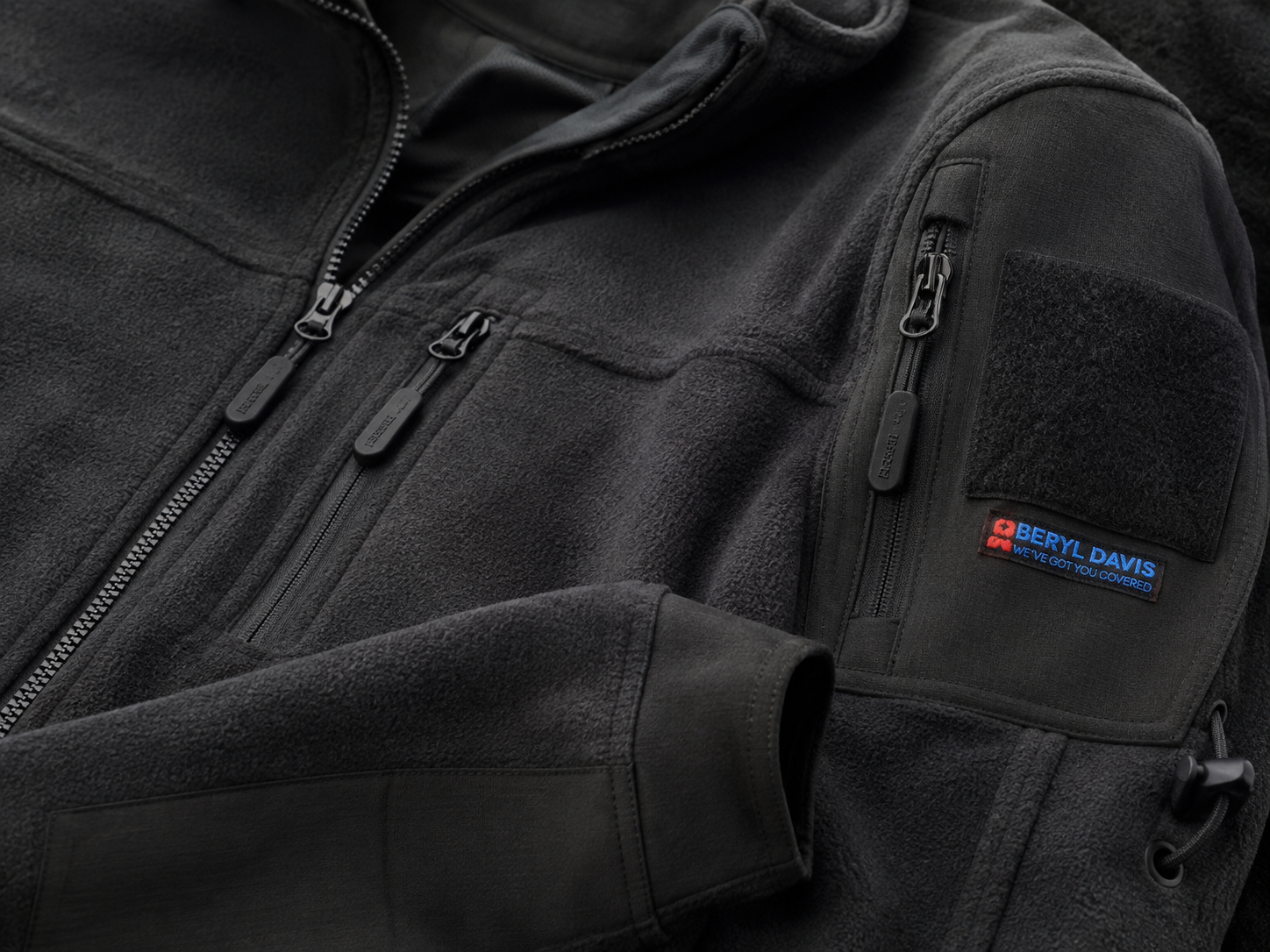
Field jackets, fleece systems, trousers, and mission-specific configurations developed for operational use.
Professional Workwear
Industrial & Professional Workwear
Durable workwear and uniform programs balancing protection, mobility, wear life, branding, and repeatability.
Institutional
Healthcare & Institutional Apparel
Clinical, institutional, and uniform programs designed around durability, comfort, hygiene, and consistent production.
Custom Engineering
Custom Textile & Garment Engineering
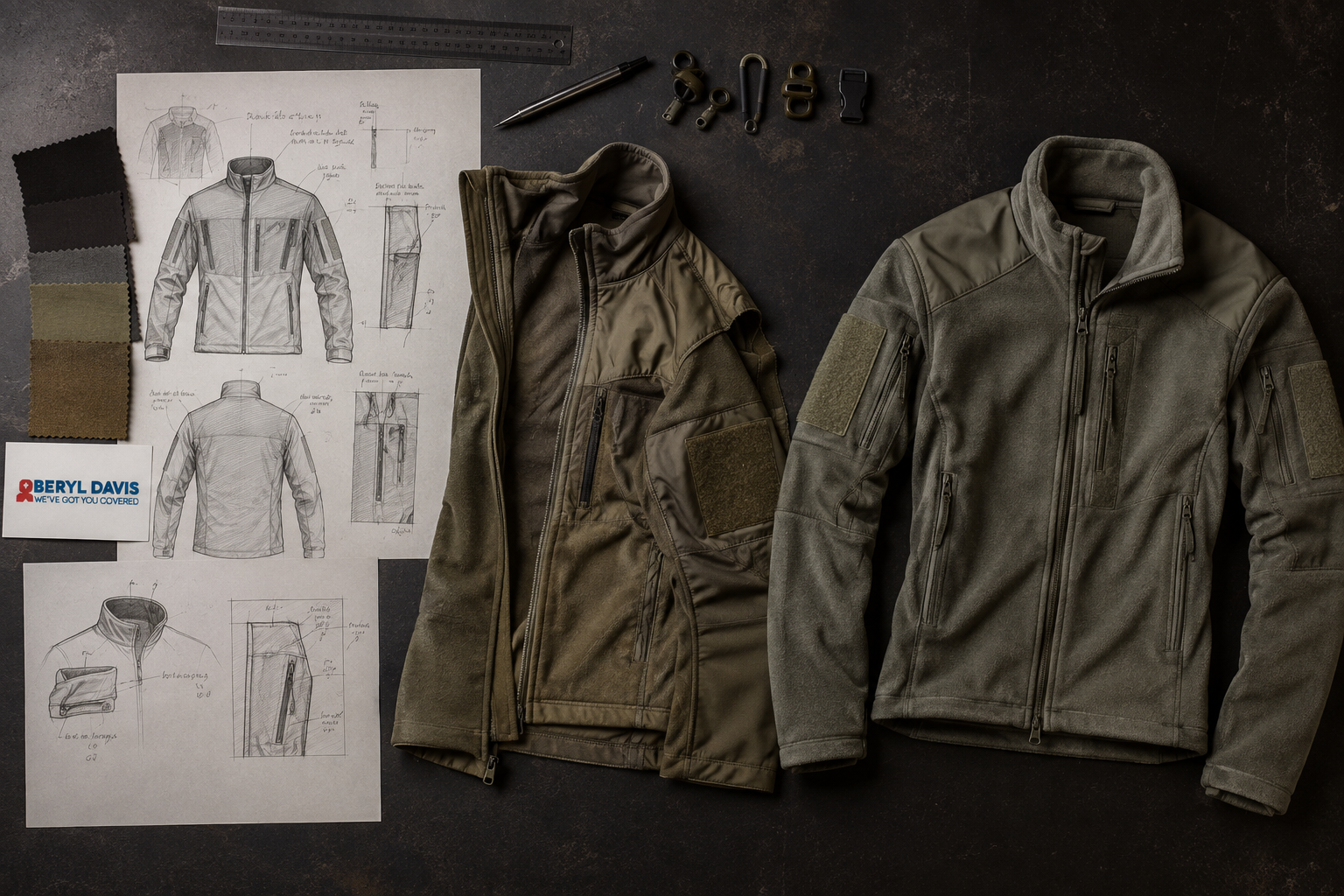
Bespoke fabrics, laminates, components, construction details, and garment systems for specialized applications.
The Beryl Davis Story
A Legacy of Innovation, Determination and Global Growth
1981
The Beginning In Lancashire
Where a Vision Became Reality
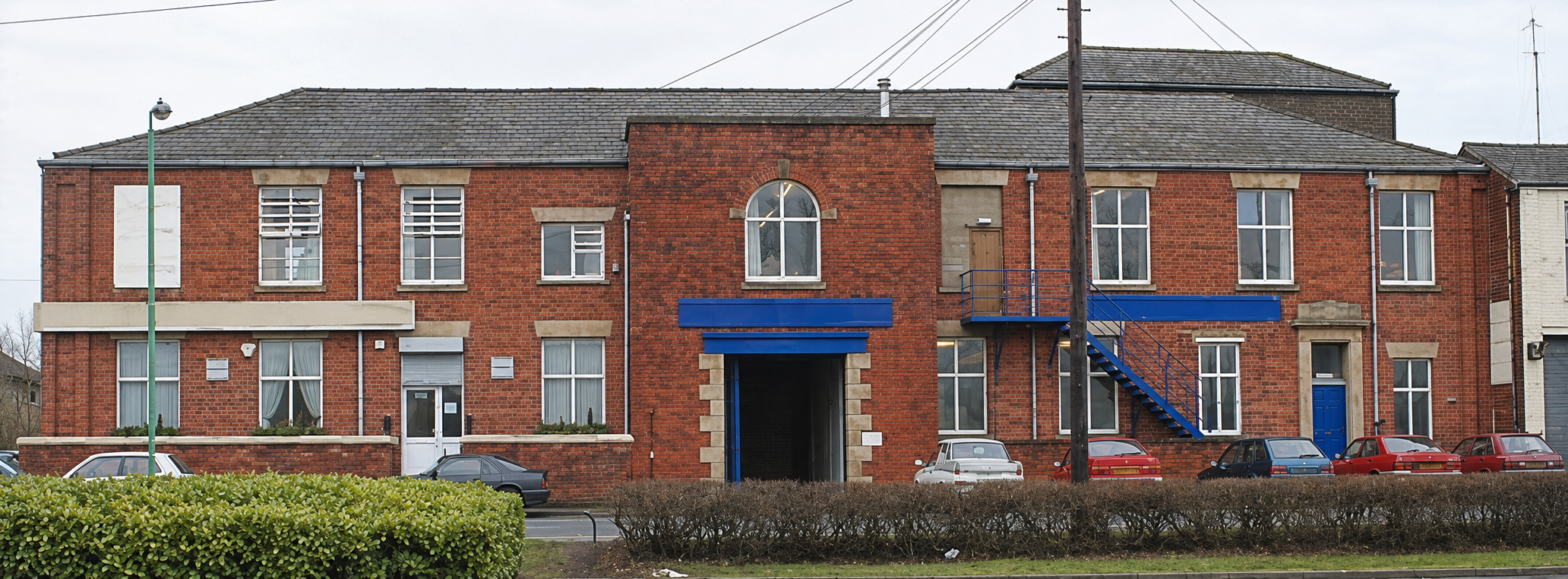
In 1981, Beryl Davis established a small manufacturing operation in Chorley, Lancashire, driven by an instinct for enterprise and an extraordinary determination to succeed. At a time when workplace visibility was gaining recognition as a safety priority, she saw an opportunity to make practical protection accessible to workers. Using newly developed 3M reflective tape, Beryl designed and prototyped a simple waistcoat, sewing reflective strips vertically and horizontally across the fabric. The result was an uncomplicated garment with a powerful purpose: helping men and women remain visible and safe while working in low light. From this modest factory in the North of England, she began introducing high visibility workwear to a growing market. Her creativity, resilience and personal commitment laid the foundations of Beryl Davis Ltd. What began as a small idea was gathering momentum, and a remarkable journey had begun.
1990s
New Horizons, New Responsibilities
A Partnership That Would Shape the Future
During the 1990s, Beryl, now living in Manchester, met Ralph Glyn, who was visiting his home town after returning from Israel. They recognised an opportunity to introduce her high visibility waistcoats to the Israeli market and agreed to explore its potential. For Beryl, by then married with young children, the next chapter meant a major decision: she and her husband emigrated to Israel. Ralph, also newly married, returned to Britain and assumed responsibility for the Chorley factory, while Beryl remained closely involved from abroad. As demand grew, production increased, additional staff joined the business and the once simple waistcoat became a familiar feature of working life. Ralph immersed himself in the factory, learning textile manufacturing from the ground up and developing deep expertise in the technical demands of high visibility clothing. Together, they turned shared ambition into sustained commercial growth.
2001
Building An International Base
Expanding Production Beyond British Shores
In early 2001, Ralph himself also emigrated to Israel, entrusting the day-to-day management of the Lancashire factory to Sandra Norris, his assistant general manager. Reunited in Israel, Beryl and Ralph began pursuing their long shared ambition: establishing a headquarters and manufacturing presence. An industrial park created through cooperation between Israel and the newly established Palestinian Authority, near the Gaza border, offered a particularly promising opportunity. Labour costs were competitive, collaboration was productive and the partners secured an industrial unit in which to develop a second production line. The venture reflected their belief that commercial enterprise could build bridges while creating employment and opportunity. Meanwhile, the product range continued to expand, alongside growing international demand. What had started as a single practical waistcoat now required a broader manufacturing strategy, stronger coordination and the capacity to serve customers across increasingly diverse markets.
2009
Remembering Beryl Davis
2009
Remembering Beryl, Continuing Her Legacy
Honouring the Founder, Embracing the Future
In 2009, Beryl Davis died at the age of just 61, leaving an enduring mark on everyone who had known and worked with her. She was remembered not only for her entrepreneurial vision, but also for her warmth, empathy and deeply held principles. Those qualities remained part of the company’s identity and lived on through her children and, in time, her grandchildren. Following her passing, the family offered Shlomo Oman, now the company’s chief executive, the opportunity to purchase its shares. He had joined several years earlier as sales director. Shlomo had been instrumental in developing both domestic and export markets, building a distributor network in the United States and establishing relationships across Israel. His work with the Ministry of Defence, police, municipalities, airlines and other organisations helped broaden the company’s reach. Beryl’s vision continued through the people she inspired.
2010
Expanding Production In China
Meeting the Demands of a Global Marketplace
By 2010, accelerating demand, particularly from the United States, called for manufacturing on a new scale. Ralph turned to Morris Robinson, a longstanding friend of his family whose decades of experience in China offered invaluable insight and local connections. Together, they developed production arrangements in the Suzhou region, a major centre for textile manufacturing. A local office was established, equipped with testing facilities and supported by a management team responsible for monitoring raw materials, components and product quality. Morris was invited to become an equal partner in the growing business, strengthening its international capabilities and foundations. The expansion also brought a difficult decision. With competition intensifying and production increasingly concentrated overseas, the original Chorley factory was closed. Although it marked the end of an important chapter, the spirit of Beryl’s first workshop remained central to the company’s ambitions and standards.
2020 onwards
A New Chapter In Ethiopia
Investing in People, Manufacturing and the Future
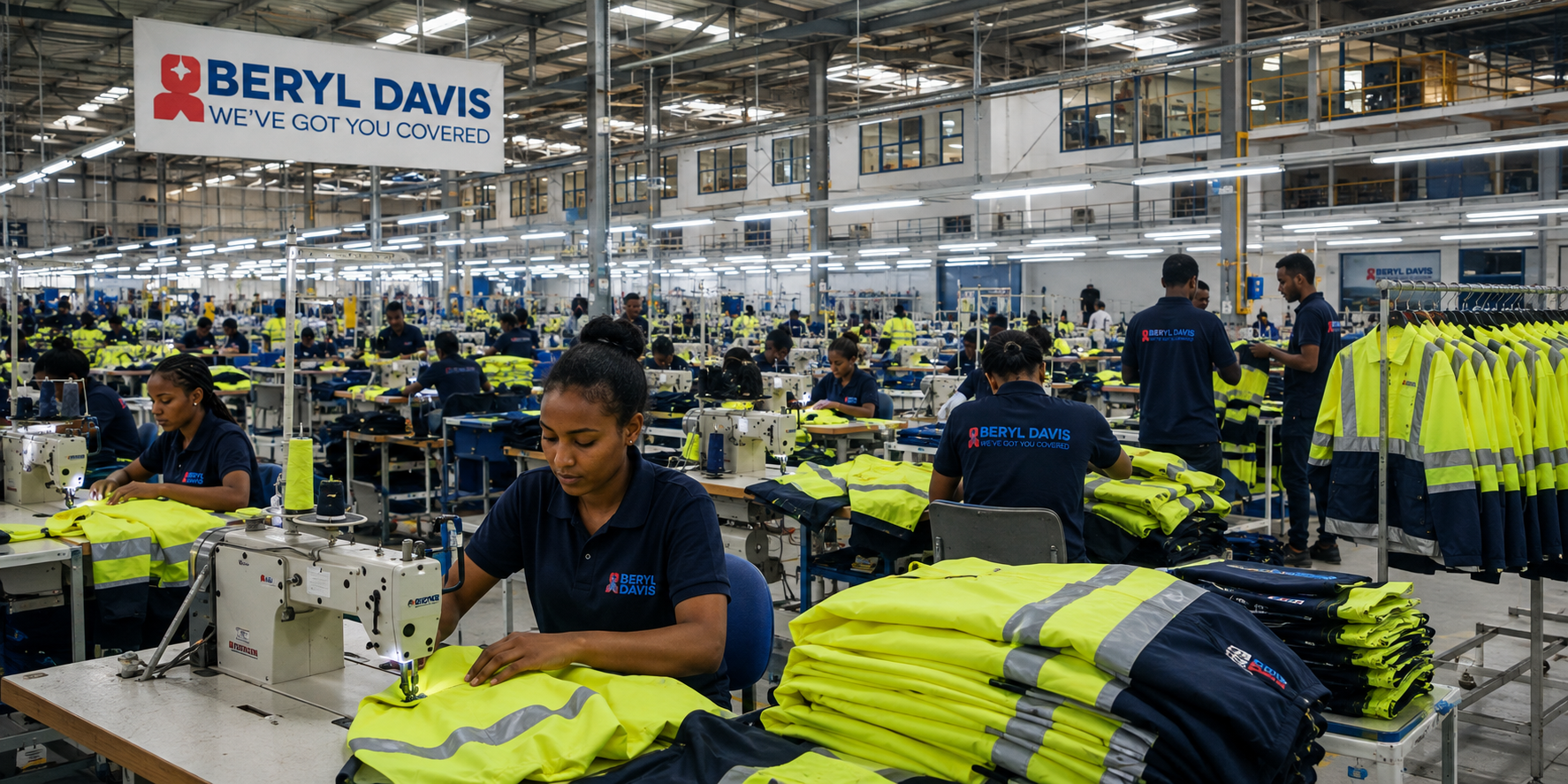
As manufacturing costs in China rose, the company looked beyond established production centres for a sustainable path forward. Global demand for high visibility clothing, supported by workplace safety requirements, had created a competitive market. The Boards considered several countries before a visit to headquarters by Ethiopia’s ambassador to Israel revealed possibilities. Ethiopia offered low labour costs, favourable trade arrangements and a university dedicated to textile engineering, but challenges remained. Limited access to seaports, bureaucracy and inconsistent manufacturing standards hindered progress. After unsuccessful attempts to develop subcontracting capacity, the board invested in its own factory at Bole Lemi Industrial Park, a designated free trade zone near Addis Ababa. Today, Vestis employs more than 750 people and manufactures to international standards. Under the oversight of Ralph and the board, with Fiker as general manager and minority shareholder, the business continues Beryl’s pioneering legacy.
Today
Vestis: Strength Through People and Partnership
Combining International Expertise with Local Excellence
Four years after Beryl Davis Ltd acquired the Vestis factory at Bole Lemi, the Ethiopian operation has become an important chapter in the company’s international story. Located outside Addis Ababa in a government designated free trade zone, the factory receives materials sourced through the company’s China office and shipped via Djibouti. Eligible imports enter duty free when used to manufacture goods for export, strengthening competitiveness alongside labour costs substantially below those in China. At the heart of the operation is General Manager Fiker Tesfu, whose experience includes leading a government owned textile factory employing more than 6,000 people. He is supported by specialists spanning finance, human resources, quality, logistics, production, engineering, merchandising, local sales and operational efficiency. Their coordinated work, together with the partners’ direct involvement in daily strategic decisions, underpins Vestis’s growing manufacturing capabilities and commitment to international manufacturing standards.
Share the application, specification, target quantities, timing, current sample, or sourcing challenge. The team can begin with the information you already have.