Tactical
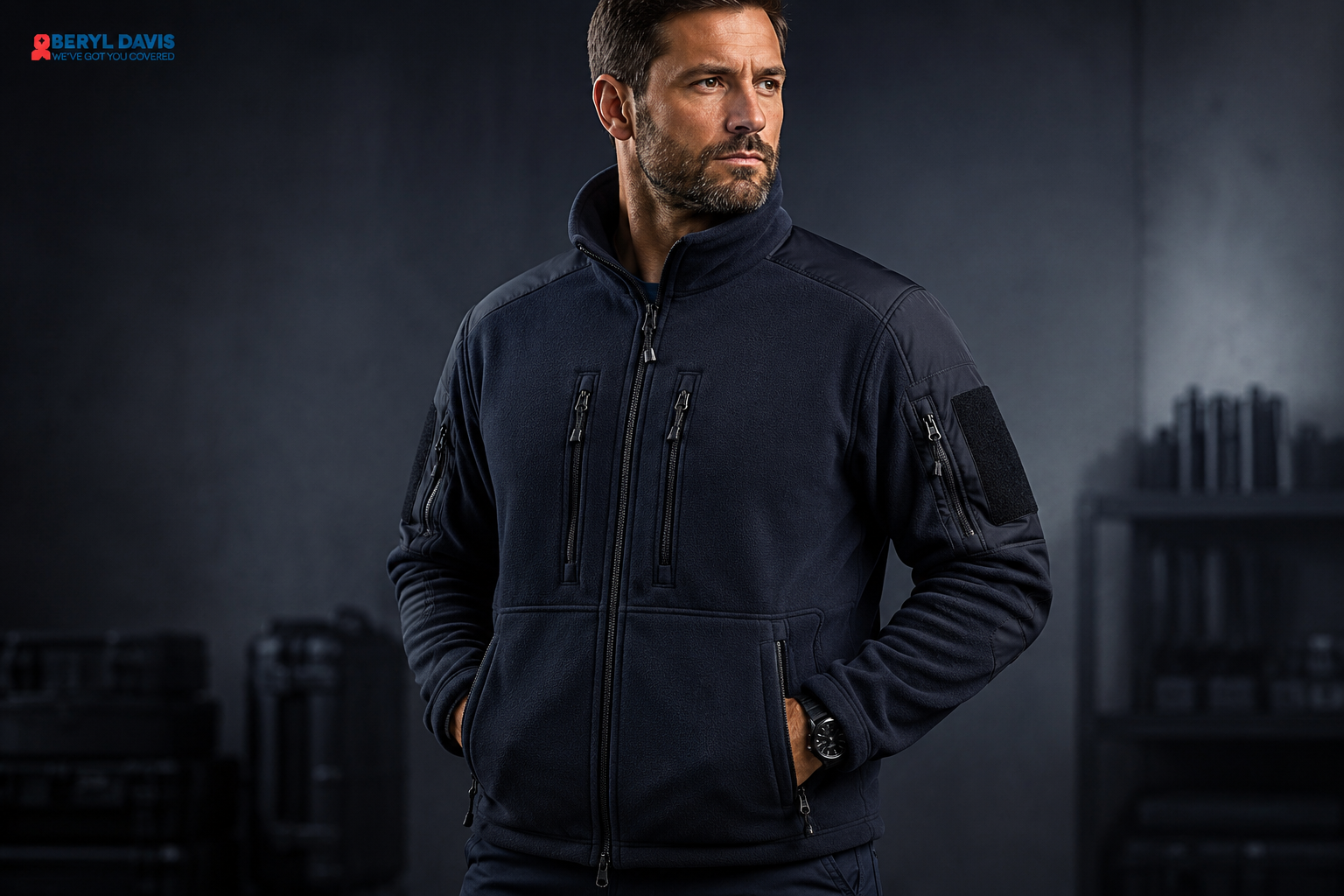
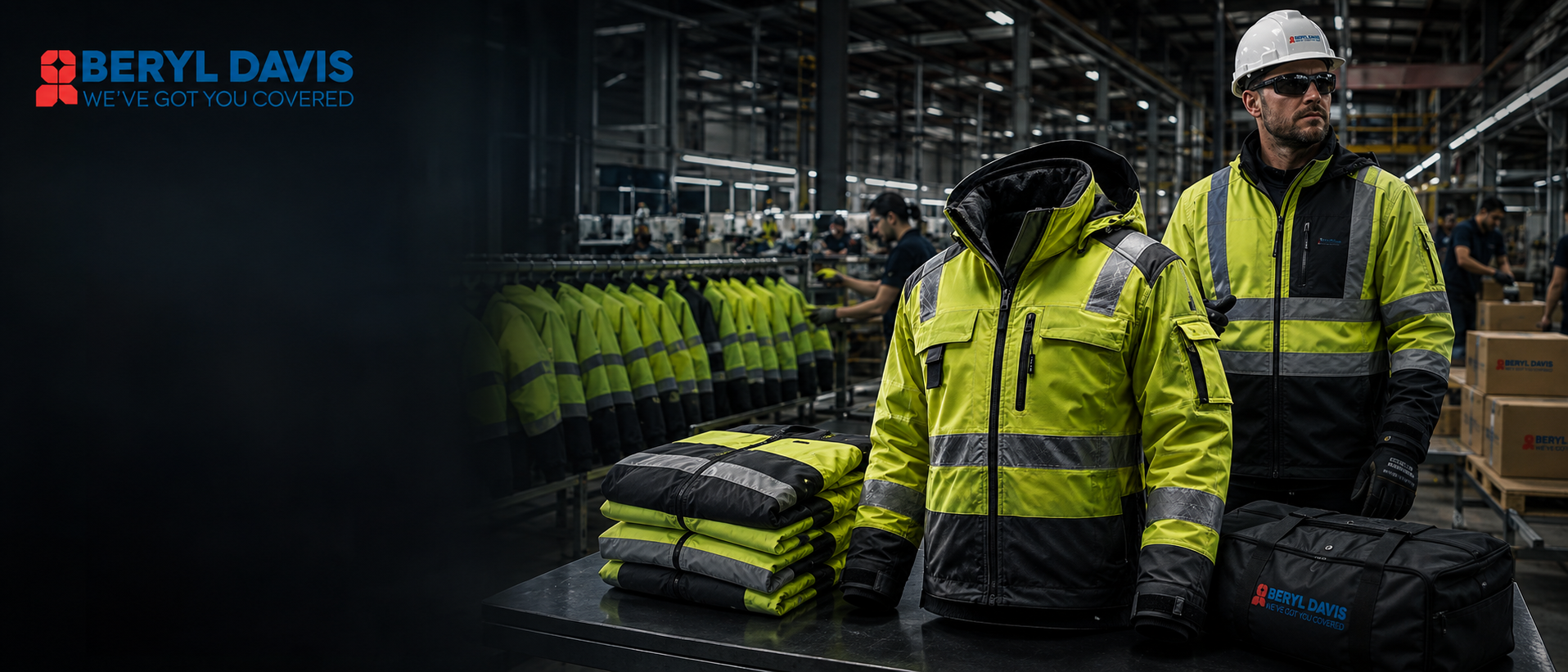
All-Weather Tactical Outerwear
Weather protection, layering, fit, construction, materials, and customer-specific tactical requirements brought into one development program.
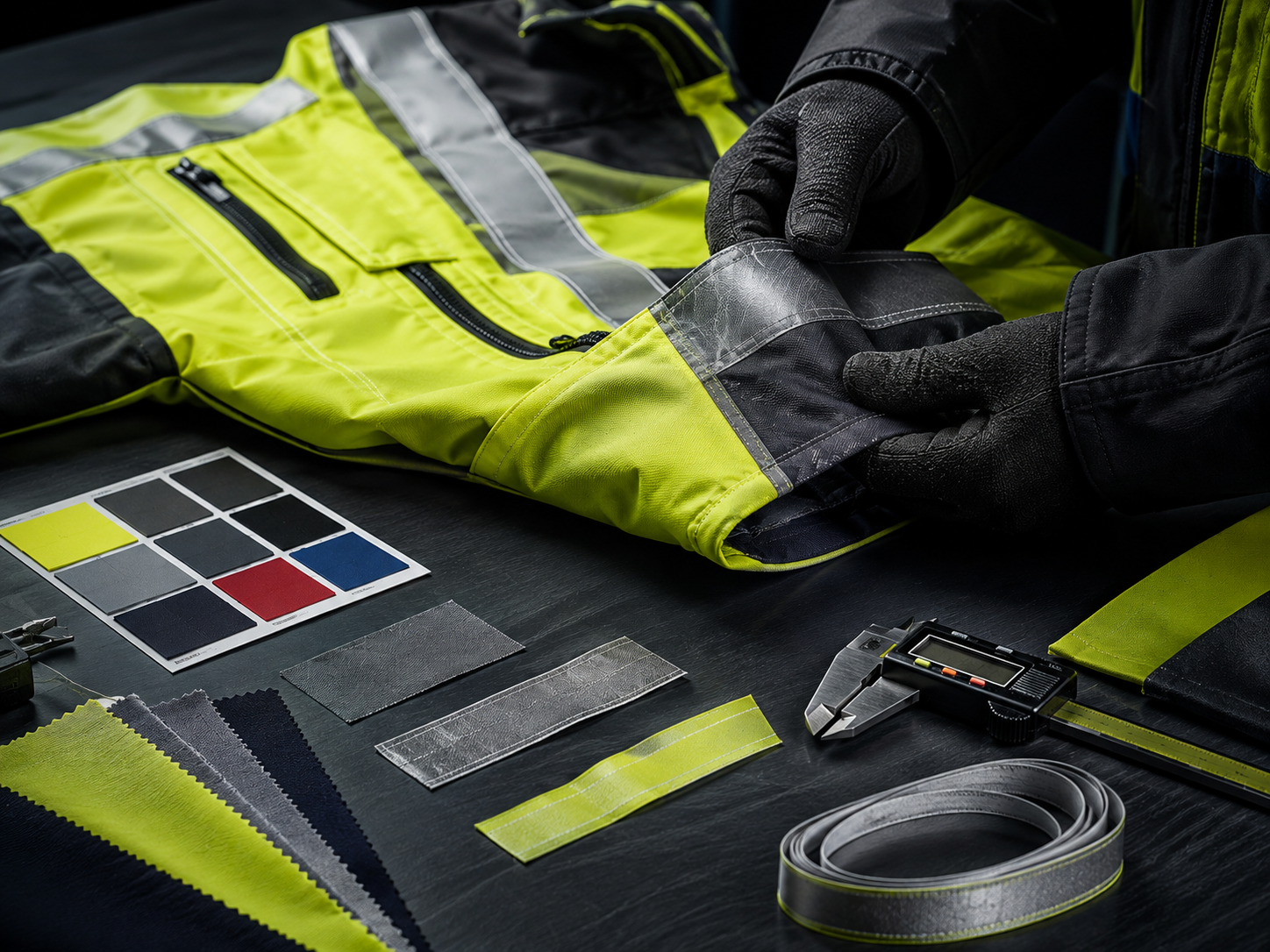
The quality story is strongest when it shows checkpoints, evidence, and program discipline instead of generic “high quality” language.
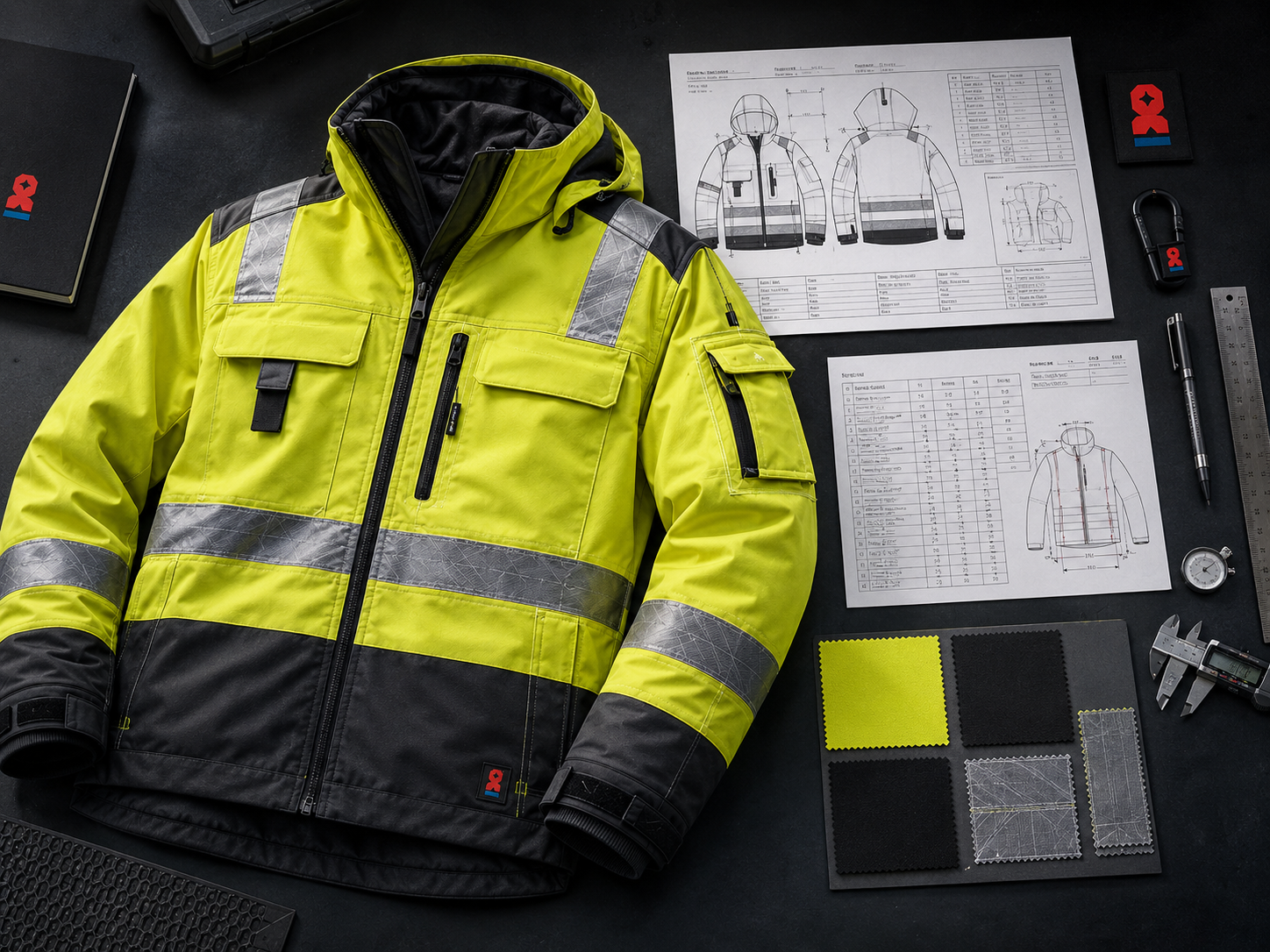
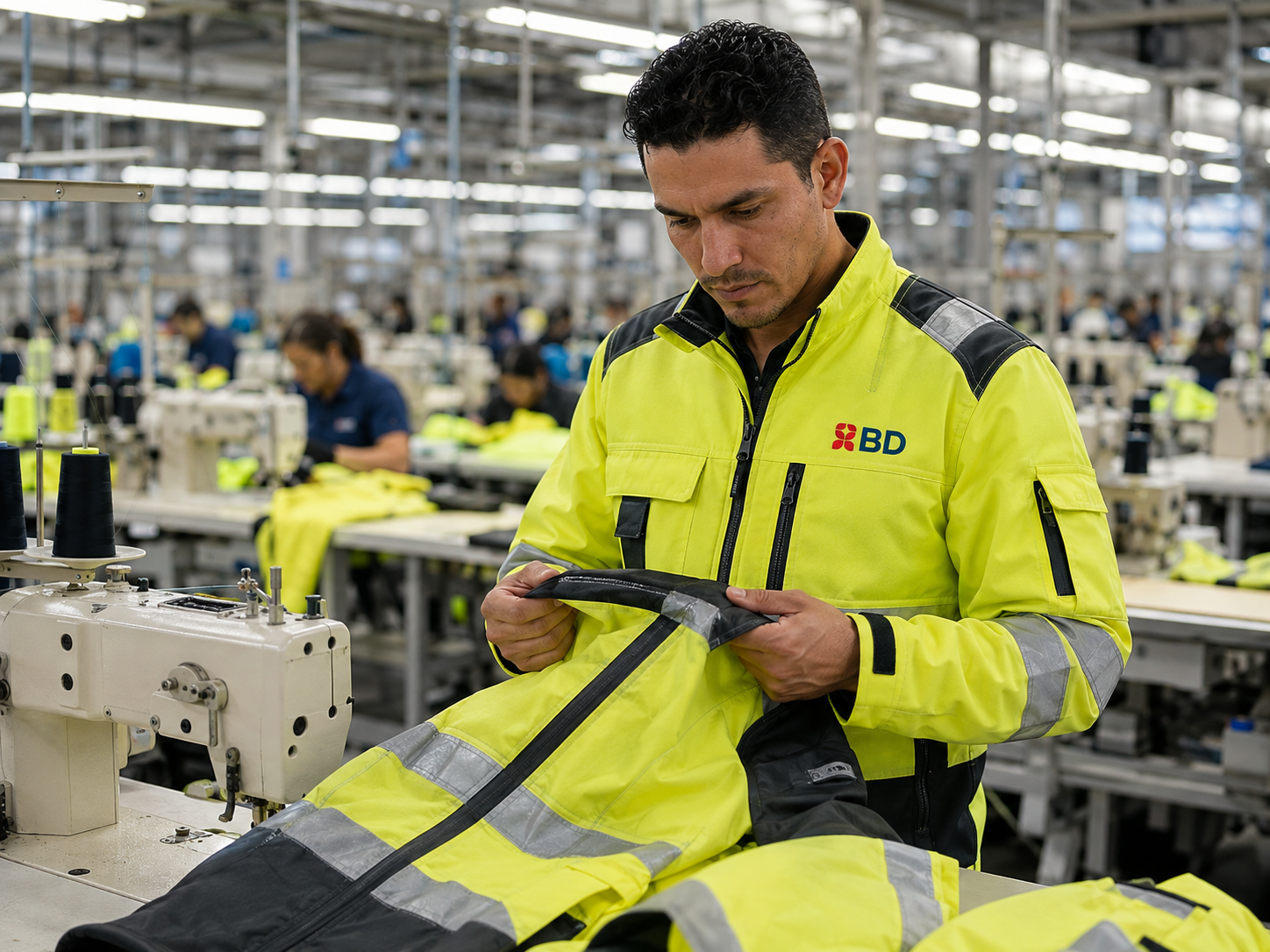
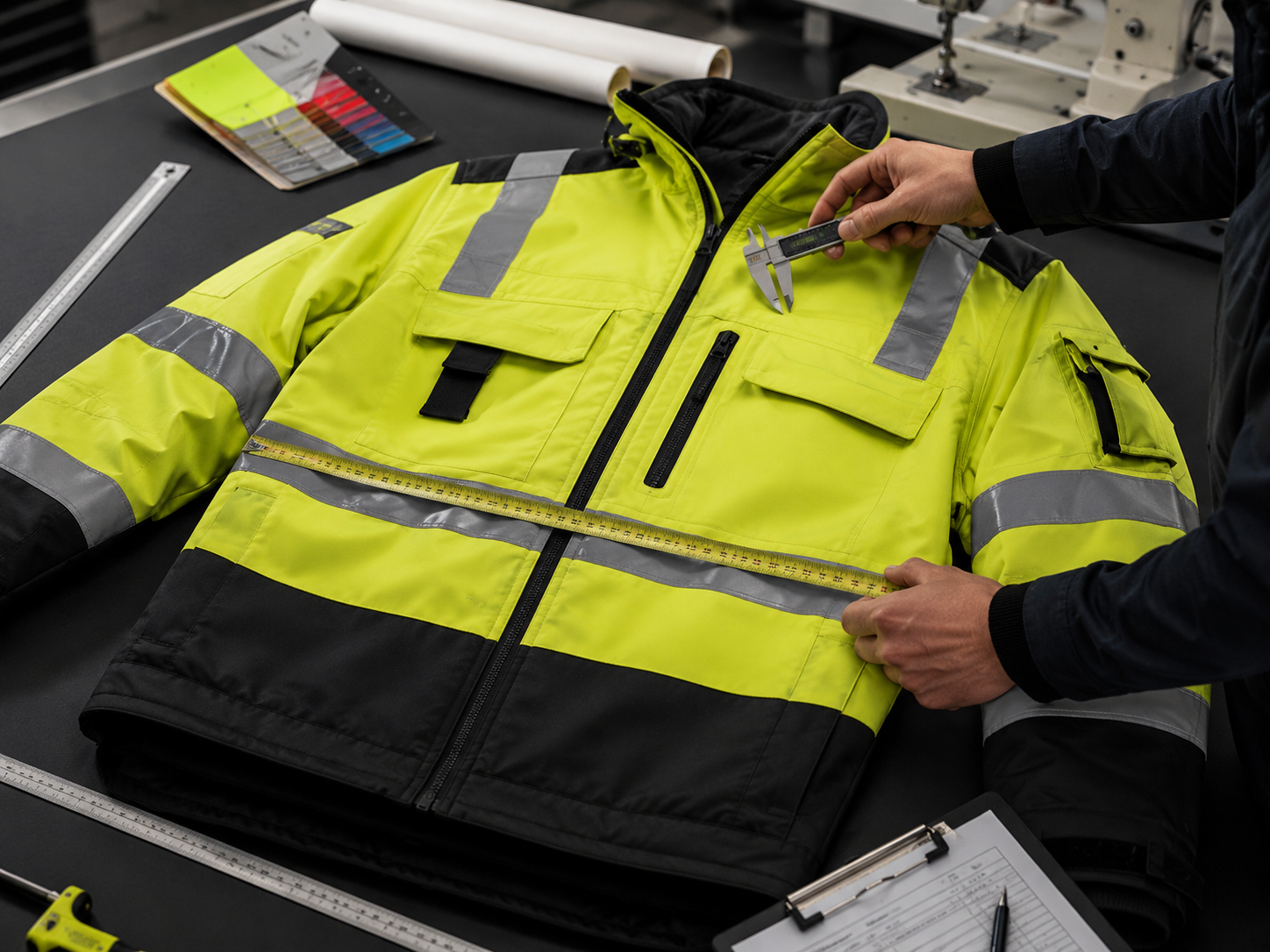
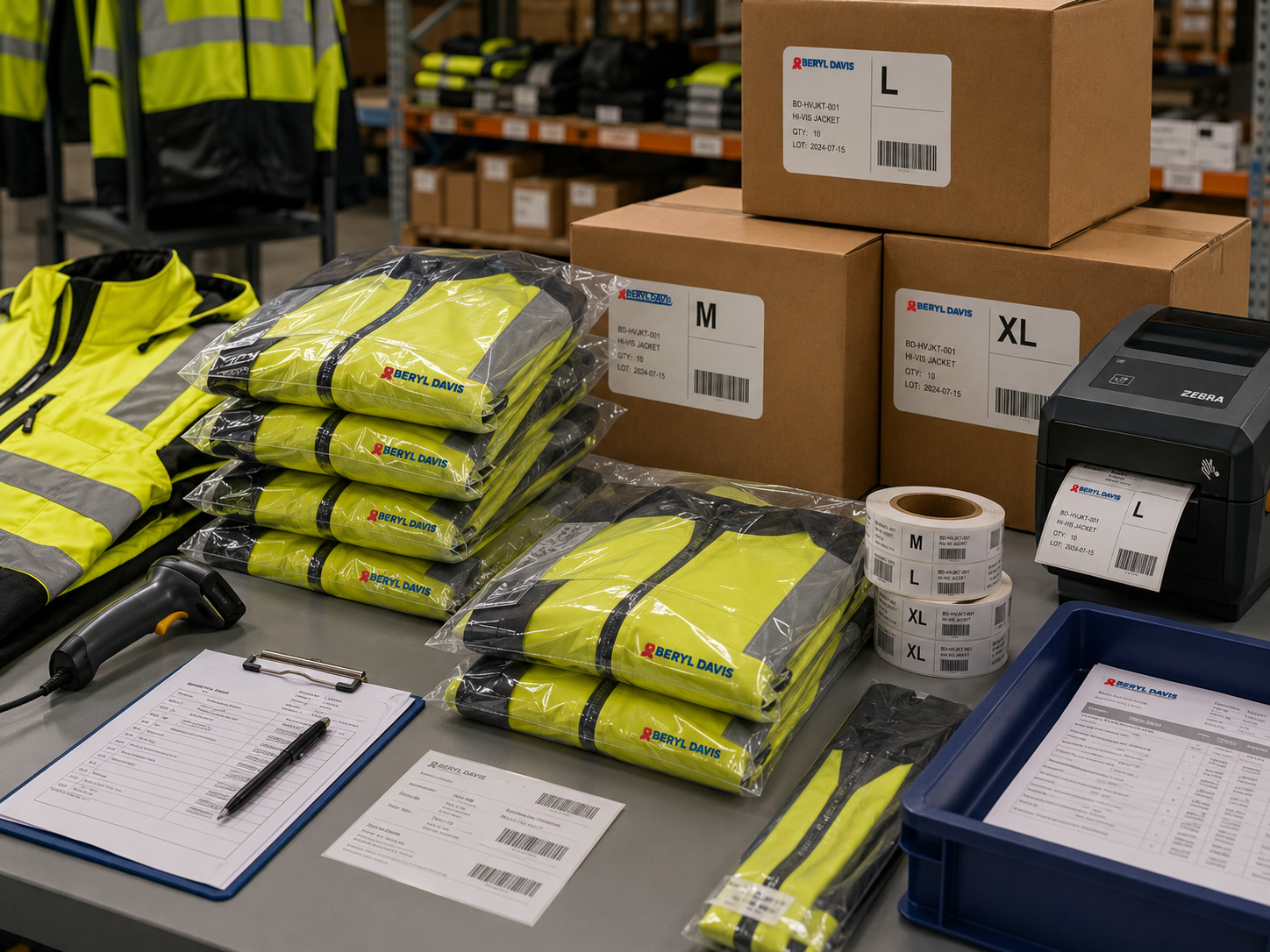
Where a customer requires ISO, EN, ANSI/ISEA, NFPA, ASTM, arc-rating, visibility, flame-resistance, or other performance criteria, the website should state only what can be supported by the actual program documentation, test results, certificates, and garment configuration.
Confirm the intended standard, garment class or protection level, hazard context, test method, and customer acceptance criteria.
Select compatible fabrics, trims, thread, reflective components, closures, reinforcements, and garment construction.
Maintain the relevant sample approvals, test documentation, inspection records, and production controls for the specific program.
Weather protection, layering, fit, construction, materials, and customer-specific tactical requirements brought into one development program.
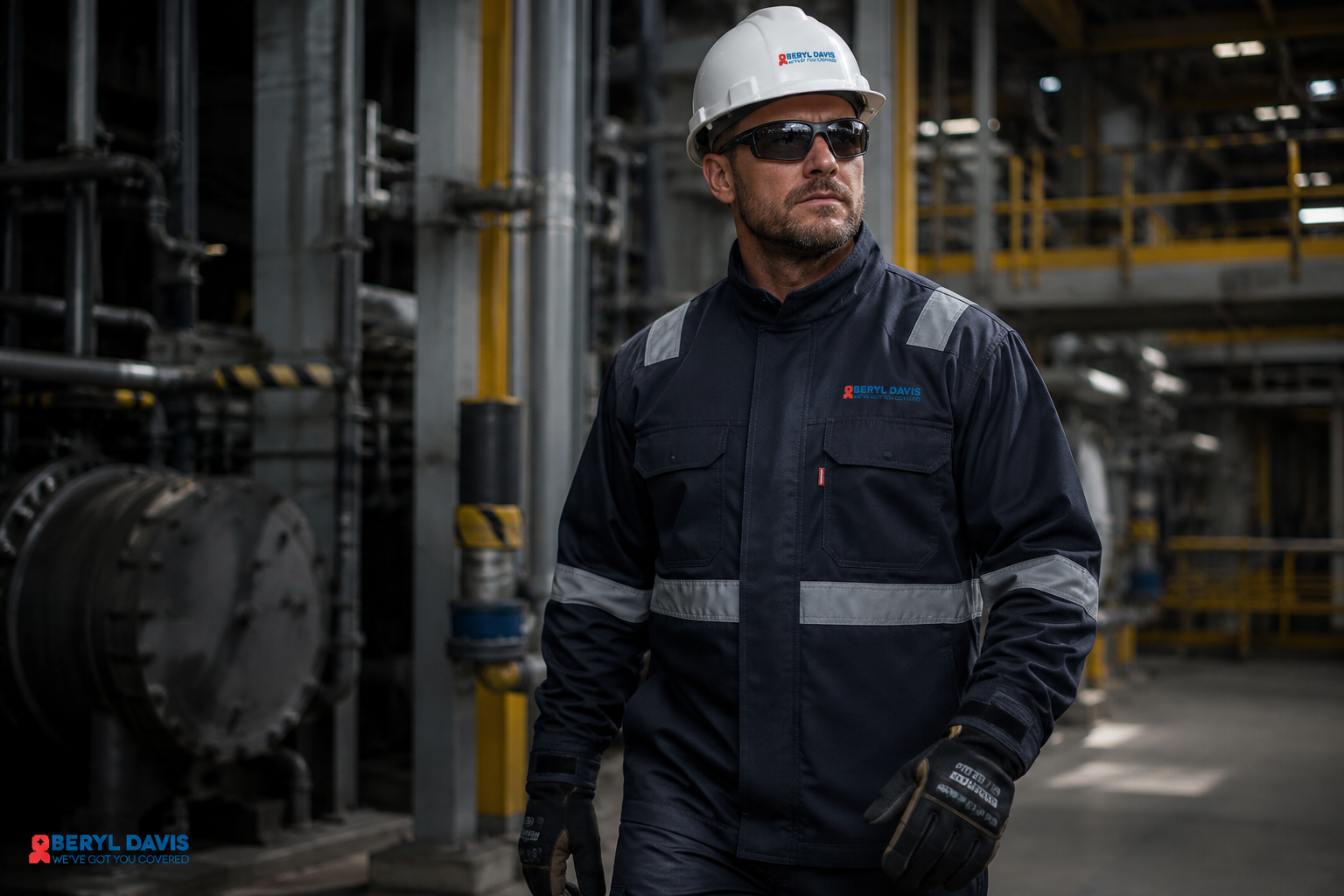
Protective material selection, visibility requirements, construction details, testing, and production validation coordinated for utility use.
Talk with the Beryl Davis team about product requirements, materials, samples, validation, production planning, and delivery.